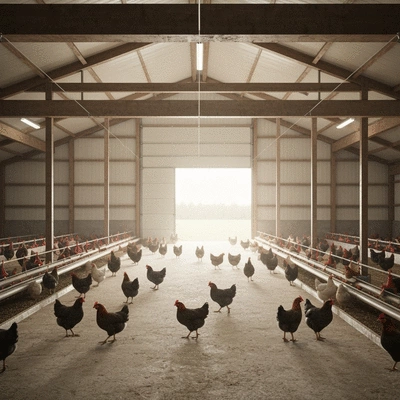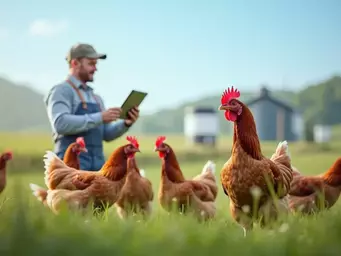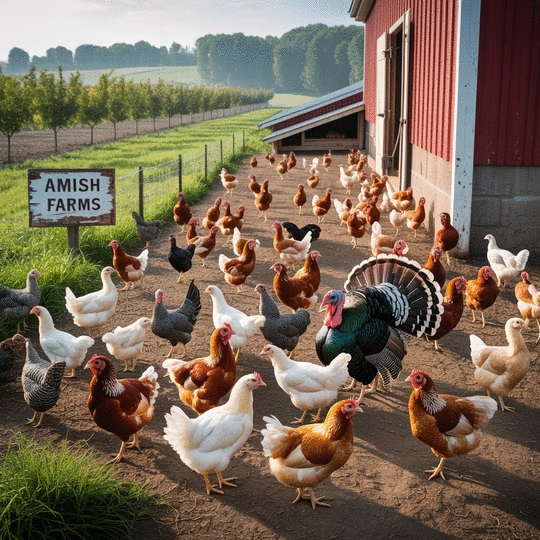
Increased Demand for Sustainable Practices
Consumers are gravitating toward brands that prioritize environmental responsibility.
Consumer Driven
Get Jordan T. Finch's expert insights on market trends and strategic opportunities in poultry farming directly to your inbox.
Posted on: 2025-10-04
By: Jordan T. Finch
What will the poultry industry look like in 2025? As we navigate the evolving landscape, understanding key trends can equip farmers and entrepreneurs with the insights needed for success.
The poultry industry is undergoing significant transformations, driven by consumer preferences, economic factors, and technological advancements. Below are the key insights and predictions for 2025 and beyond. For a deeper dive into market movements, explore poultry market trends and forecasts.
Consumers are gravitating toward brands that prioritize environmental responsibility.
Automation and data analytics will revolutionize how we manage production and distribution.
Poultry products marketed as healthier options will see a rise in popularity.
Economic pressures will lead consumers to seek affordable yet quality poultry options.
As we look ahead to 2025, it’s clear that the poultry industry is undergoing significant transformations. Understanding these changes is crucial for farmers and entrepreneurs like myself who are eager to harness the potential of this dynamic market. Let's delve into the current state of poultry demand and the factors influencing its growth.
The poultry industry is currently a vibrant sector with a diverse range of products. With strong demand for chicken, turkey, and even quail, we see an industry that's both resilient and adaptable. In fact, poultry remains one of the most consumed proteins globally, largely due to its affordability and versatility.
However, this landscape is evolving. Many farmers are now focusing on sustainable practices and improving production methods. This shift is not just a trend—it's becoming a necessity as consumers increasingly demand transparency and quality in their food sources. To learn more about environmental practices, check out sustainable trends in poultry farming.
These factors are set to drive demand even higher in the coming years. For instance, as people become more health-conscious, the demand for organic and free-range poultry products is rising. This opens up exciting opportunities for farmers willing to adapt.
Health consciousness is a major trend influencing consumer choices today. Many people are looking for nutritious options without sacrificing taste. Poultry, known for being a high-protein, low-fat option, fits perfectly into this category. By offering healthy choices, we can attract a broader customer base.
From my experience, educating consumers on the health benefits of poultry can significantly enhance market interest. Highlighting aspects like lean protein content and essential vitamins can help bridge the gap between consumer preferences and product offerings.
Today’s consumers are also more concerned about where their food comes from. They want assurance that their poultry has been sourced ethically. As farmers, we must embrace this demand for transparency to build trust and loyalty among our customers.
Interestingly, the rise of plant-based alternatives is shaping the poultry sector too. While these products offer a different option for consumers, they also challenge traditional poultry sales. To stay competitive, we need to understand how these alternatives fit into the broader market and consider ways to enhance our unique offerings.
As I observe market trends, it’s evident that consumer behavior is shifting. More individuals are exploring flexitarian diets, incorporating both meat and plant-based foods into their meals. This trend presents opportunities for poultry farmers to expand our markets by creating versatile products that suit diverse dietary needs. To understand the various types of poultry and their market potential, consider understanding poultry types and potential.
Affordability continues to be a critical factor influencing consumer choices in poultry. Many families are looking for budget-friendly protein sources. By offering competitive pricing without compromising quality, we can attract more buyers and drive sales.
Economic pressures, including inflation and the impacts of avian influenza outbreaks, have the potential to disrupt poultry prices. Farmers need to remain vigilant and adaptable in response to these fluctuations. Monitoring market conditions will help us make informed decisions to mitigate risks.
In many regions, as economies grow, the demand for poultry rises. Keeping abreast of these economic factors allows us to anticipate shifts in consumer behavior and adjust our strategies accordingly.
Emerging markets present both exciting opportunities and challenges for poultry farmers. Regions like Southeast Asia, Latin America, and Africa are seeing increased poultry consumption driven by urbanization and rising incomes. However, competition and market saturation are real challenges we must navigate.
Understanding these regional behaviors is vital for tailoring our offerings. By recognizing local preferences, we can better serve these markets and increase our impact.
Culture plays a crucial role in shaping poultry preferences. For instance, some regions may favor certain types of poultry, like quail or duck, while others prioritize chicken. As farmers, we can leverage this knowledge to better align our products with local tastes and traditions.
With sustainability becoming a key focus for consumers, poultry producers must adapt. Many are now implementing eco-friendly practices that minimize environmental impact. This not only meets consumer expectations but also enhances operational efficiency.
As technology advances, we have the opportunity to improve production capabilities and reduce costs. Keeping pace with these innovations is essential for staying competitive in the marketplace.
Food sustainability and supply chain innovations are critical components of poultry farming's future. By streamlining supply chains and embracing sustainable practices, we can reduce waste and ensure a more reliable product for consumers. The journey toward sustainability is not just beneficial for the environment, but it can also drive profitability.
Digital transformation is reshaping how we market and sell poultry products. E-commerce platforms are becoming essential for reaching a broader audience. Farmers who embrace online selling can connect directly with consumers, increasing their market reach.
By tailoring our marketing strategies to emerging trends and preferences, we can create resonant messaging that drives engagement and builds brand loyalty.
Social media influencers can play a pivotal role in promoting poultry products. By partnering with influencers who share our values, we can tap into new audiences and enhance our brand's visibility. This modern approach to marketing aligns well with today’s consumer engagement tactics.
To stay ahead in the evolving poultry market, consider adopting a multi-channel approach to marketing. Utilize social media, e-commerce, and local community engagement to create a holistic strategy that resonates with diverse consumer segments. Engaging with customers where they are most active can significantly enhance brand loyalty and market reach.
As we look toward 2025, it's essential to understand the implications for the poultry industry. The evolving landscape of demand, shaped by consumer preferences and economic factors, will dictate how we approach our businesses moving forward. With my experience in poultry farming, I've observed firsthand how these trends are not just passing fads but rather enduring shifts that will profoundly impact our industry.
In summary, here are some key market insights and predictions that I believe will resonate with poultry farmers and entrepreneurs alike:
Each of these insights invites poultry stakeholders to rethink their strategies and align with these emerging trends. As we adapt, it's vital to stay ahead of the curve and position ourselves for success.
To navigate the upcoming years effectively, it’s critical to distill our insights into actionable strategies. The poultry industry is poised for transformation, and understanding the nuances of these shifts will guide our decisions. Here are predictions that I find particularly significant:
Staying informed about these trends will equip us to make better decisions—whether that means adjusting our production methods or refining our marketing strategies. Ultimately, it's about understanding our customers and their evolving needs.
As we anticipate the future, I want to emphasize the importance of collective action within the poultry community. Now is the time for us to come together to address the challenges posed by these trends. Here’s what I believe we should focus on:
By aligning our efforts, we can create a more resilient poultry industry that meets the demands of tomorrow. Whether you’re an established farmer or just starting out, this is a call to action that we cannot ignore.
Demographic trends play a crucial role in shaping poultry demand, influencing everything from purchasing power to dietary habits. As we move toward 2025, understanding these shifts is essential for strategic planning in our businesses. Let’s examine some key demographic factors:
These shifts not only affect the types of poultry products that will thrive but also the methods we use to reach consumers. By keeping a close eye on these demographic changes, we can better tailor our offerings and marketing strategies. For further insights into potential challenges, consider identifying pitfalls in poultry farming.
A1: The primary drivers include increased consumer health consciousness, a growing preference for sustainable and ethically produced poultry, and technological innovations enhancing production efficiency.
A2: Consumers are increasingly seeking nutritious options, demanding transparency in sourcing and ethical treatment of animals, and showing interest in organic and free-range products. There's also a rise in flexitarian diets influencing demand.
A3: Affordability is a critical factor, with many consumers looking for budget-friendly protein. Economic pressures like inflation and avian influenza outbreaks can also significantly impact poultry prices and purchasing behavior.
A4: Regions such as Southeast Asia, Latin America, and Africa present significant opportunities due to urbanization, rising incomes, and evolving consumer preferences. Understanding local cultural influences is key to success in these markets.
A5: Sustainability is driving producers to adopt eco-friendly practices and streamline supply chains to reduce waste. Technological innovations like automation, data analytics, and advanced breeding techniques are improving efficiency and reducing costs across the industry.
Here is a quick recap of the important points discussed in the article: