Chickens
- Purpose: Meat and Eggs
- Investment: Lower Start-up Cost
- Space: Adaptable, various environments
- Profit: Consistent income (eggs)
- Maturity: Versatile, steady production
Staple
Get Jordan T. Finch's expert insights on market trends and strategic opportunities in poultry farming directly to your inbox.
Posted on: 2025-08-28
By: Jordan T. Finch
The poultry farming industry is evolving, and understanding the nuances of different poultry types is crucial for success. With various market trends shaping consumer preferences, now is the time to dive into the unique opportunities each species offers. Are you ready to explore the world of poultry farming?
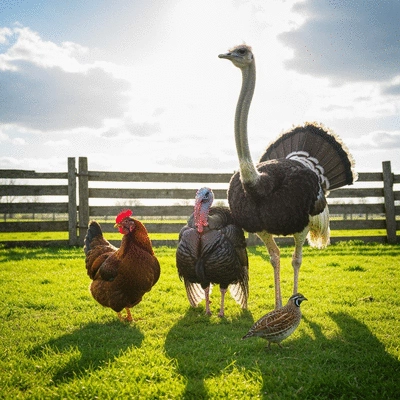
Understanding the distinct characteristics and business potential of different poultry types is essential for success. Below is a comparative analysis of chickens, turkeys, ostriches, and quail, highlighting their unique attributes and market opportunities.
As a passionate poultry farmer, I've always found it fascinating to explore the diverse types of poultry available for farming. Each species offers unique characteristics, market opportunities, and challenges. By understanding these key differences, you can make informed decisions that will shape the future of your poultry enterprise.
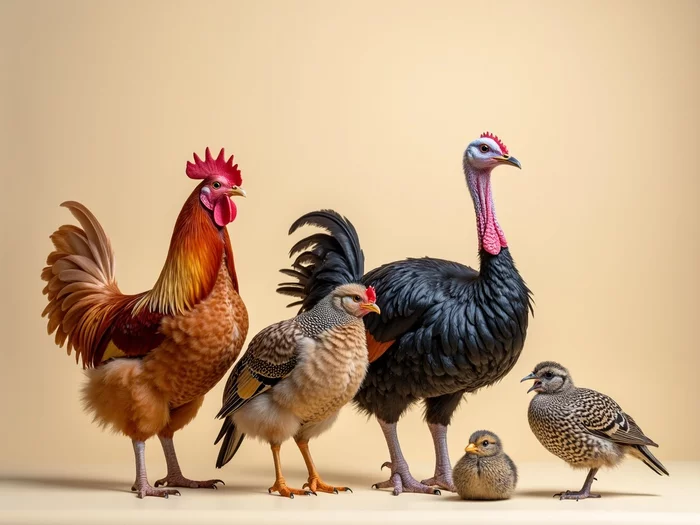
When considering which poultry type to raise, it's essential to recognize their individual traits. Here's a quick overview of the most common poultry species:
Understanding these characteristics can greatly influence your farming strategies and market positioning. For instance, chickens may be suitable for a steady cash flow through egg production, while turkeys can provide a seasonal boost during holidays.
Each poultry type possesses distinct characteristics that affect their management and yield. For example:
By evaluating these characteristics, you can tailor your approach to maximize the potential of your poultry operation.
When it comes to comparing these poultry types, several factors come into play, such as initial investment, space requirements, and profit margins. Consider the following:
By weighing these factors, you can determine which poultry type aligns best with your goals and resources. Whether you're starting out or looking to diversify, understanding these differences is crucial for long-term success.
Now that we've covered the types of poultry, let's delve into the business potential of poultry farming. With the right insights, you can tap into a market that continues to grow.
The poultry industry is witnessing significant growth, with increasing demand for both meat and eggs. According to recent market analysis, consumers are now more inclined toward organic and free-range options, indicating a shift in preference that savvy farmers can leverage. Emerging research highlights how environmental factors, such as light exposure, significantly influence poultry production and welfare, emphasizing the importance of optimizing farm conditions for better yields and healthier birds. For instance, studies on broiler chickens demonstrate how specific light programs can lead to improved growth performance and reduced stress, which directly impacts profitability and product quality, as detailed in an article on Frontiers in Sustainable Agricultural Production. As you explore your options, consider the following trends:
Staying informed on these market trends can help you position your poultry business effectively to meet consumer needs.
As you consider the profitability of different poultry types, remember that each has its unique financial dynamics. For instance:
By analyzing these factors, you can make informed decisions about what poultry type will best meet your financial goals.
The rising consumer demand for organic and free-range products has opened doors for farmers who want to capitalize on these trends. Implementing these practices not only meets market demand but can also enhance the overall well-being of your poultry. For example, recent studies underscore the intricate balance between environmental sustainability and animal welfare in livestock farming, suggesting that embracing practices like free-range systems can significantly improve both aspects. Research published in PMC NCBI highlights how improved welfare conditions, often associated with organic and free-range methods, lead to healthier birds and better product quality, aligning with consumer values and potentially increasing market value. Consider the following:
By embracing organic and free-range practices, you can create a sustainable and profitable poultry business that aligns with consumer values.
When selecting your poultry type, consider your local market trends and consumer preferences. For instance, the rising demand for organic and free-range products can significantly enhance your profitability. Research local consumer behaviors and adapt your farming practices to align with these demands, ensuring a competitive edge in your poultry business.
Chickens are versatile for both meat and eggs with lower start-up costs and adaptable space. Turkeys are larger, ideal for seasonal meat production, requiring more space. Ostriches are a high-investment, high-value niche for meat, eggs, and feathers, needing extensive space and advanced care. Quail are small, mature quickly, and offer fast turnover for eggs and gourmet meat, suitable for smaller enclosures.
Chickens typically provide the most consistent income due to steady egg production, making them a reliable choice for ongoing cash flow.
Organic and free-range practices meet increasing consumer demand for ethically raised products, allow for premium pricing, often result in healthier birds, and can strengthen local market position and customer loyalty. They also contribute to overall sustainability and animal welfare.
Key factors include initial investment in stock, feed and nutritional requirements, housing and equipment costs, healthcare and biosecurity measures, and marketing and distribution strategies. Researching local market trends and consumer preferences is also crucial.
Engaging with the poultry community, through local groups, online forums, and conferences, is highly valuable. It provides opportunities to seek advice, share experiences, learn about new trends and techniques, and network with industry leaders and fellow farmers, which can save time and resources.
As we wrap up our exploration of poultry types, it's essential to reflect on the unique attributes each species brings to the table. Whether you're leaning towards chickens for their egg-laying capabilities, turkeys for their meat, or even quail and ostriches for niche markets, understanding these differences will empower your decision-making. Emerging research also underscores the profound impact of environmental factors, such as temperature and humidity, on the immune response and overall health of different poultry species. For example, a recent study on the gut microbiota of domestic fowl, accessible through Taylor & Francis Online, reveals how specific environmental stressors can alter gut flora, affecting nutrient absorption and disease resistance. This highlights the importance of optimizing housing conditions to support a robust immune system and enhance poultry viability. Remember, every poultry type presents its own set of challenges and rewards, making it crucial to align your choice with your farming goals and local market demands.
Choosing the right poultry for your farm is a significant step that can shape your entire operation. Start by considering what aligns best with your interests and resources. Are you looking for a steady source of income, or are you interested in exploring specialty markets? Each type of poultry has its own market dynamics that can offer varying degrees of profitability.
By evaluating these factors, you'll not only make a more informed choice but also enhance your chances of success in the poultry business. I encourage you to engage with local resources and fellow farmers to gain insights about what has worked for them.
Once you've narrowed down your poultry type, the next step is to develop a solid business plan. This plan will be your roadmap as you begin your farming journey. Consider key factors such as initial costs, ongoing expenses, and potential revenue streams. By plotting out these elements, you can set realistic goals and expectations.
As you formulate your business plan, it's important to cover essential cost elements. Here’s a checklist to guide you:
These considerations will help you lay a solid financial foundation for your poultry venture. Plus, don’t hesitate to tap into resources like Poultry Farming Insights for further guidance!
Finding reputable hatcheries and suppliers is crucial for securing healthy stock. Look for those who prioritize quality and can provide recommendations based on your specific farming needs. Building relationships with suppliers can also offer you insights into market trends that can benefit your business.
As the demand for organic and sustainable products continues to grow, consider how you can integrate these practices into your operation. Sustainable practices can enhance your appeal to consumers and contribute to a healthier environment. Examples include:
Embracing sustainability will not only support your local ecosystem but can also be a selling point for your products.
Becoming part of the poultry community can significantly enhance your learning and growth as a farmer. Engaging with fellow enthusiasts and experts can provide valuable insights that you might not find in books or online articles.
Don’t underestimate the power of community! Sharing experiences and seeking advice from seasoned farmers can save you a lot of time and resources. Consider joining local farming groups or online forums where you can both ask questions and offer your own insights. This collaborative spirit fosters a sense of belonging and shared learning.
Online platforms are a treasure trove of information. Websites, blogs, and forums dedicated to poultry farming can keep you informed about the latest trends, techniques, and challenges in the industry. Make sure to bookmark resources like Poultry Farming Insights for updates and tips that can help you navigate your poultry business effectively.
Attending poultry conferences and becoming involved with associations can open doors to networking opportunities. These events are not only educational but also allow you to connect with industry leaders and other farmers. Engaging in discussions can spark new ideas and strategies for your business.
Here is a quick recap of the important points discussed in the article: