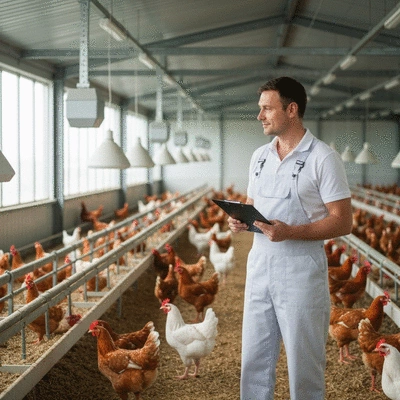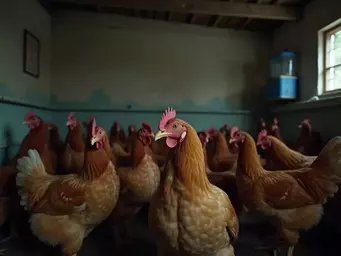
Feeding & Costs
Managing nutritional needs and feed costs is a major expense. Efficient feed management and bulk purchasing are essential.
NutritionBulk Buying
Get Jordan T. Finch's expert insights on market trends and strategic opportunities in poultry farming directly to your inbox.
Posted on: 2025-10-26
By: Jordan T. Finch
As you embark on your poultry farming journey, consider the myriad challenges that await. With the right insights, you can navigate these obstacles effectively. Here’s how to turn potential pitfalls into stepping stones for success!
New poultry farmers face critical challenges across feeding, housing, and health management. Understanding these areas is crucial for success. For a deeper dive into avoiding common errors, consider reading about common pitfalls in poultry farming.
Managing nutritional needs and feed costs is a major expense. Efficient feed management and bulk purchasing are essential.
Proper housing, ventilation, and predator protection are vital for bird comfort and safety.
Vaccination schedules, biosecurity, and regular health checks are crucial for disease prevention.
Controlling feed costs, managing labor, and smart financial planning are key for long-term viability.
Starting a poultry farming venture can be incredibly rewarding, but it's essential to recognize the common challenges that new farmers face. From understanding the needs of different poultry species to managing day-to-day operations, the journey can be daunting. My experiences have taught me that acknowledging these obstacles is the first step toward overcoming them and achieving success in this dynamic industry.
In this section, we'll explore the primary hurdles that new poultry farmers encounter. Understanding these challenges will not only prepare you for what lies ahead, but also equip you with the knowledge to navigate your poultry business with confidence!
New poultry farmers often grapple with a variety of obstacles, which can vary depending on the type of poultry they choose to raise. Here are some of the most common challenges:
These issues can lead to significant stress and, at times, financial strain. However, facing them head-on is crucial for long-term success in this industry. Let’s dive deeper into the specific challenges associated with various poultry types!
Regardless of whether you're raising chickens, ducks, or turkeys, several challenges are common across all poultry types. For instance, understanding feed requirements and managing costs can significantly impact profitability. Additionally, farmers need to stay informed about disease outbreaks and implement effective biosecurity measures. Learning about biosecurity failures in poultry farming can provide crucial insights.
Another challenge is the ability to assess local market demand. It’s essential to understand not only what consumers want but also how to position your products effectively. Engaging with local markets and communities can provide valuable insights!
Each type of poultry brings its unique set of challenges. Here’s a quick overview:
Being aware of these specific issues can help you tailor your management practices and set yourself up for success in your poultry farming journey!
As you embark on your poultry farming journey, there are three critical areas you'll need to focus on: feeding, housing, and health management. Each of these components plays a vital role in ensuring the success of your operation.
Let’s take a closer look at how to navigate these key areas effectively!
Feeding your flock is one of the most significant expenses in poultry farming. Understanding nutritional needs is vital for growth and productivity. As a new farmer, consider using formulated feeds designed for your specific poultry type to optimize growth and minimize waste.
Also, keep an eye on local feed prices and consider bulk purchasing to reduce costs. Moreover, incorporating some homegrown feed options, like grains and vegetables, can be beneficial!
Providing the right environment is crucial for any new poultry farmer. Proper housing must ensure adequate ventilation, space, and comfort for the birds. For example:
Understanding these essentials will help you create a safe and nurturing environment for your poultry, setting the groundwork for success! For more information on creating an optimal environment, check out the impact of housing on poultry.
Maintaining the health of your flock is paramount. As a beginner, it's essential to have a clear vaccination schedule and a disease prevention strategy. Regular health checks, maintaining cleanliness, and providing a stress-free environment can go a long way in keeping your birds healthy.
Research the common diseases affecting your chosen poultry type and consult with a vet to create an effective health management plan. Remember, prevention is always better than cure!
Lastly, nutrition plays a crucial role in the overall health and productivity of your flock. It’s important to ensure that the feed you provide is of high quality and meets the specific dietary needs of your poultry.
Regularly review the nutritional content of your feed and stay informed about any changes in formulations. This diligence will help maintain your birds’ health and enhance their productivity, ultimately leading to a successful poultry farm!
To enhance your poultry farming success, consider integrating local resources into your operation. Engaging with local feed suppliers and veterinary services not only supports your community but can also lead to better pricing and tailored advice specific to your region's poultry needs. Building strong local connections can provide invaluable insights and support as you navigate the challenges of poultry farming.
Understanding the economic factors in poultry farming is essential for aspiring farmers. As I’ve found through my years in the industry, the financial health of your poultry operation can directly impact your sustainability and growth potential. By focusing on key areas like feed costs and labor management, you can establish a strong foundation for your business.
Let’s dive into some of the most pressing economic considerations that every new poultry farmer should keep in mind!
Feed represents one of the largest ongoing expenses in poultry farming. That’s why it’s crucial to grasp how it affects your bottom line. Identifying ways to optimize feed usage can lead to substantial savings and improved profitability.
By implementing these strategies, you can better manage your feed costs while ensuring your poultry remain healthy and productive!
Effective feed management is not just about cutting costs; it also involves ensuring your birds get the right nutrition. Regularly analyzing the nutritional content of your feed and adjusting formulations accordingly can make a significant difference. Don’t forget to ask for help if you need it—Poultry Farming Insights is here to provide guidance on best practices!
Labor is another critical consideration in poultry farming. I’ve noticed that many new farmers underestimate the labor demands of a successful poultry operation. As your farm grows, so will your need for skilled labor, making it essential to plan ahead.
Understanding the costs associated with hiring and training employees is vital, as is recognizing the importance of maintaining a skilled workforce. Let’s take a closer look at some innovative solutions for managing labor effectively!
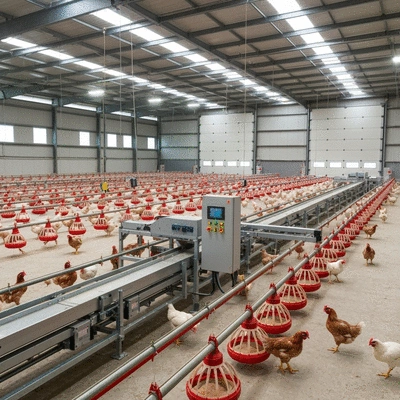
Automation and technology can significantly alleviate labor challenges. From feeding systems to climate control, the right tools can streamline operations and free up your time for other critical tasks. Here are some ideas to consider:
Creating a solid financial plan is crucial for long-term success in poultry farming. This plan should include budgeting for equipment, feed, labor, and unexpected expenses that may arise. Having a clear understanding of your financial landscape will empower you to make informed decisions and adapt to changes in the market.
Consider working with a financial advisor familiar with agricultural operations or utilizing resources from agricultural extension services to enhance your planning process!
As I continue to engage with fellow poultry farmers, I often hear about the transformative impact of modern technologies. Embracing these innovations can help overcome numerous challenges and streamline your operations effectively.
Implementing technological solutions not only enhances operational efficiency but also fosters sustainable growth. Let’s explore some of the cutting-edge tools available to today’s poultry farmers!
The integration of technology in poultry management is revolutionizing the industry. By staying informed about the latest advancements, you can make smarter decisions that positively impact your operations.
With these tools at your disposal, you’ll be well-equipped to tackle the challenges of poultry farming head-on!
Smart farming is no longer a distant future; it's here today! Utilizing IoT and AI technologies can help you monitor environmental conditions, track bird health, and optimize feeding schedules. This level of insight allows farmers to make data-driven choices that lead to better outcomes.
As a new poultry farmer, you’ll encounter various risks that can impact your success. Understanding these risks and developing strategies to manage them is essential for long-term sustainability. From financial uncertainties to environmental challenges, being prepared will set you up for success.
Here are some key strategies to consider:
By proactively managing risks, you can build a resilient poultry operation that thrives regardless of the challenges you face!
Here is a quick recap of the important points discussed in the article: