Poultry Farming Pitfalls to Avoid
Posted on: 2025-08-28
By: Jordan T. Finch
Are you ready to elevate your poultry farming game? Understanding common pitfalls can be the key to transforming challenges into opportunities. In this guide, you'll uncover essential lessons that will pave the way for success.
What You Will Learn
- Recognizing the importance of foundational knowledge and training to avoid costly mistakes.
- Implementing strict biosecurity measures to protect your flock from diseases.
- Establishing comprehensive feeding practices to ensure optimal poultry health and productivity.
- Creating adequate housing conditions to minimize stress and promote well-being among birds.
- Engaging in thorough financial planning to safeguard your poultry business from economic pitfalls.
- Conducting regular health checks and disease management to maintain flock health.
- Leveraging modern technology to enhance monitoring and operational efficiency in poultry farming.
- Staying compliant with legal and regulatory standards to avoid penalties and enhance credibility.
- Integrating sustainable practices to contribute positively to the environment while running a successful farm.
Common Pitfalls in Poultry Farming and Their Solutions
Understanding and addressing the key challenges in poultry farming is essential for success. Below is a comparison of common mistakes and effective strategies to overcome them.
Pitfall: Insufficient Knowledge & Training
Starting without proper education leads to costly mistakes. Lack of understanding in poultry care can devastate a new farm.
Solution: Continuous Learning
- Online courses
- Workshops & seminars
- Networking with experts
Pitfall: Neglecting Biosecurity Measures
Ignoring biosecurity causes rapid disease spread, leading to livestock loss and financial strain.
Solution: Robust Biosecurity Protocols
- Strict access controls
- Regular disinfection
- Vaccination programs
Pitfall: Overlooking Financial Planning
Poor budgeting can jeopardize the entire operation, leading to economic pitfalls and instability.
Solution: Comprehensive Financial Management
- Detailed budgeting
- Forecasting expenses
- Performance review
Pitfall: Inadequate Environmental Controls
Poor ventilation leads to ammonia buildup, severely affecting poultry welfare and overall production efficiency.
Solution: Optimized Environmental Management
- Proper ventilation systems
- Temperature/humidity monitoring
- Waste management
Understanding Common Pitfalls in Poultry Farming
As someone who has been in the poultry farming industry for over a decade, I’ve seen firsthand how understanding common mistakes can significantly enhance productivity and profitability. Acknowledging these pitfalls is crucial for anyone looking to thrive in this field. By learning from the challenges that others have faced, farmers can better navigate their own journeys.
One of the most significant advantages of recognizing potential errors is the ability to enhance decision-making. When you know what to watch out for, you can make informed choices that positively impact your farm's success.
Why Acknowledging Mistakes is Crucial for Success
Every mistake is an opportunity to learn! In poultry farming, this mindset can be the difference between struggling and thriving. By understanding common errors, you can adapt your strategies and avoid costly missteps.
- Improved productivity through smarter practices
- Increased profitability by avoiding common traps
- Enhanced sustainability by making informed decisions
These benefits lead to a more sustainable and successful poultry enterprise. When we learn from the past, we pave the way for a brighter future in our farming endeavors.
What You Need to Know Before Starting Your Poultry Journey
Before diving into poultry farming, it’s vital to equip yourself with foundational knowledge and training. This preparation can help you sidestep many initial missteps. Consider what you need to know about different poultry types, their unique requirements, and market demands.
- Understand the basics of poultry care and management
- Research local market trends and consumer preferences
- Attend workshops or training sessions for hands-on experience
By actively seeking out this information, you set yourself up for success. It’s all about building a strong foundation to support your poultry business!
Identifying Key Pitfalls in Poultry Farming
Identifying key pitfalls in poultry farming is essential for long-term success. Let's explore some of these common problems that can plague new and seasoned farmers alike.
Insufficient Knowledge and Training
One of the biggest risks in poultry farming is starting without proper education. Many newcomers jump in without understanding the complexities of poultry care, leading to costly mistakes down the line. To mitigate this, consider accessing resources available for learning.
- Online courses specific to poultry management
- Local agricultural extension services offering classes
- Networking with experienced poultry farmers for mentorship
When you prioritize education, you will find yourself much better prepared to handle the realities of poultry farming.
Neglecting Biosecurity Measures
Ignoring biosecurity practices can have dire consequences for poultry health and farm sustainability. Diseases can spread quickly, leading to loss of livestock and financial strain. For example, North Carolina's surging poultry industry has raised concerns about environmental and health impacts, underscoring the need for stringent biosecurity. Additionally, Avian Influenza poses a significant threat, further emphasizing the importance of robust biosecurity protocols.
- Implement strict access controls to your farm
- Use disinfectants on equipment and footwear
- Regularly monitor flock health and implement vaccination protocols
By taking biosecurity seriously, you safeguard not only your birds but also your investment in your poultry business. Don't overlook this vital aspect!
Feeding Practices: Common Mistakes to Avoid
Feeding practices are another critical area where errors can occur. Underfeeding or using incorrect feed types can lead to poor growth rates and health issues in chickens.
- Ensure access to high-quality feed that meets nutritional needs
- Establish a consistent feeding schedule for your flock
- Monitor weight and health regularly to adjust feed as needed
Establishing best practices in feeding not only promotes healthy birds but also enhances your overall productivity.
Housing Issues: Overcrowding and Poor Conditions
Inadequate housing conditions can lead to overcrowding, which increases stress and health problems in poultry. It's essential to provide adequate space and comfort.
- Design housing to allow for proper ventilation and light
- Ensure sufficient space per bird based on their size
- Regularly clean and maintain housing to prevent disease
Better housing conditions improve overall flock health and productivity—don’t underestimate the impact of a well-structured environment!
Financial Planning Oversights
Thorough budgeting and financial forecasting are paramount to avoid economic pitfalls in poultry farming. Poor financial management can jeopardize your entire operation.
- Create a detailed budget for startup and ongoing costs
- Factor in unexpected expenses and fluctuations in market prices
- Regularly review financial performance to make necessary adjustments
With solid financial planning, you can keep your poultry business running smoothly and efficiently.
Ignoring Health Checks and Disease Management
Neglecting regular health assessments can have serious repercussions. Poultry are susceptible to various diseases that can spread quickly if not managed effectively.
- Schedule routine veterinary check-ups for your flock
- Implement a vaccination schedule based on best practices
- Educate yourself about common poultry diseases and their symptoms
Regular health checks will help ensure your flock remains healthy, preventing disease outbreaks that can devastate your operation.
Inadequate Environmental Controls
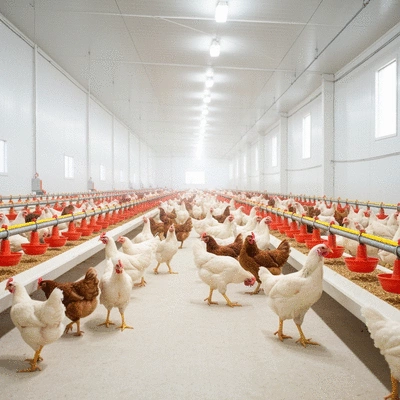
Poor environmental management can lead to issues like ammonia build-up, which can severely affect chicken welfare. Proper ventilation systems are key to maintaining a healthy environment.
- Install adequate ventilation systems to circulate fresh air
- Regularly monitor temperature and humidity levels in housing
- Implement waste management practices to reduce harmful emissions
By focusing on environmental controls, you’ll not only protect your birds but also enhance overall production efficiency.
Overlooking Technological Solutions
Embracing modern technology can help mitigate some of the common pitfalls in poultry farming. From automated feeding systems to health monitoring tools, technology plays a vital role. Research on precision livestock farming highlights how data-driven approaches can significantly improve efficiency and animal welfare.
- Integrate smart farming technologies for improved monitoring
- Use management software for better record-keeping
- Consider investing in poultry equipment that enhances efficiency
When you leverage technology, you position your poultry business for growth and success.
Legal and Regulatory Compliance Issues
Staying informed about industry regulations is essential for avoiding penalties. Compliance ensures the safety and quality of your poultry products.
- Regularly review local, state, and federal regulations
- Engage with industry organizations for updates on compliance
- Develop a checklist to ensure adherence to all legal requirements
By being proactive, you protect your business from legal issues and enhance your credibility.
Failure to Integrate Sustainable Practices
Lastly, the poultry industry faces sustainability challenges that can impact future operations. Integrating better waste management practices can benefit both the environment and your farm.
- Implement composting for waste disposal
- Explore renewable energy sources to power your farm
- Set goals for reducing your carbon footprint
By focusing on sustainability, you contribute to a healthier planet while also enhancing your poultry venture.
Pro Tip
Did you know? Implementing a comprehensive health and nutrition monitoring system can dramatically enhance your flock's productivity. By regularly tracking your birds' weight, feed intake, and overall health, you can make timely adjustments that prevent potential issues and promote optimal growth!
Implementing Solutions to Overcome Poultry Farming Mistakes
Making mistakes is part of the learning process, especially in poultry farming. However, the key to success lies in implementing effective solutions to overcome these mistakes. By focusing on practical strategies, you can ensure your poultry enterprise flourishes while minimizing risks.
As someone who has navigated the ups and downs of poultry farming, I understand the importance of continuous improvement. Engaging in ongoing education and training can dramatically enhance your livestock management practices.
Practical Strategies for Continuous Learning
Continuous learning is essential in the ever-evolving poultry industry. Here are several strategies to keep you updated:
- Participate in local agricultural workshops and seminars.
- Join online courses focused on poultry management.
- Engage with agricultural communities on social media platforms.
- Subscribe to leading poultry farming journals and newsletters.
By leveraging these resources, you not only stay informed about best practices but also connect with fellow farmers who can share their experiences. This knowledge exchange can be invaluable in enhancing your farm's productivity.
Establishing Effective Biosecurity Protocols
To protect your poultry from diseases, having a robust biosecurity plan is crucial. Here’s how you can establish effective protocols:
- Limit access to your farm by creating designated entry points.
- Ensure all visitors and staff follow strict hygiene practices.
- Implement a vaccination program based on health assessments.
- Regularly monitor and document the health status of your flock.
These steps will significantly minimize disease risks and help maintain the health of your poultry. Remember, a proactive approach to biosecurity can save you from costly setbacks down the line!
Encouraging Best Practices for a Successful Poultry Farm
Establishing best practices is fundamental in creating a sustainable and productive poultry farm. As we've discussed the common pitfalls, it’s equally important to focus on proactive measures that can lead to success.
By integrating best practices into your daily routine, you can foster a thriving environment for your poultry while enhancing your overall management skills.

Creating a Comprehensive Feeding Schedule
Structured feeding practices can have a profound impact on poultry health and productivity. Implementing a comprehensive feeding schedule can help ensure your flock receives the right nutrition. Consider these steps:
- Identify the specific nutritional needs of each poultry type.
- Develop a feeding timetable that aligns with their growth stages.
- Monitor feed quality regularly for freshness and nutritional content.
By doing so, you can avoid common feeding mistakes that may hinder your birds' growth and overall health. Remember, a well-fed flock is a productive flock!
Strategies for Healthy Housing Conditions
Providing optimal housing conditions is essential to minimizing stress among your flock. Consider the following strategies:
- Ensure adequate space per bird to prevent overcrowding.
- Maintain proper ventilation to reduce ammonia levels and humidity.
- Regularly clean and sanitize housing areas to eliminate pathogens.
These practices not only support the health of your poultry but also boost productivity. Keeping your birds comfortable is a crucial step towards a successful poultry operation.
Utilizing Technology for Monitoring and Management
In today's fast-paced world, technology can be a game-changer in poultry farming. Utilizing modern tech tools can enhance your management practices:
- Invest in monitoring systems to track feed and water consumption.
- Use data analytics to assess flock health and productivity trends.
- Implement record-keeping software for financial and operational insights.
By adopting these technological innovations, you can streamline operations and make data-driven decisions to improve your poultry farming practices. Technology is an ally in your journey toward a successful enterprise!
Frequently Asked Questions About Poultry Farming Pitfalls
Here are some common questions about avoiding mistakes in poultry farming:
- What is the most common pitfall for new poultry farmers?
- Insufficient knowledge and training is often the biggest pitfall. Starting without proper education on poultry care and management can lead to costly mistakes and devastating losses.
- Why is biosecurity so important in poultry farming?
- Neglecting biosecurity measures can lead to the rapid spread of diseases, causing significant livestock loss and financial strain. Strict protocols protect your flock from infections and maintain farm sustainability.
- How can financial planning help prevent issues in a poultry business?
- Comprehensive financial planning, including detailed budgeting and expense forecasting, helps prevent economic pitfalls and ensures the stability of your operation. It allows you to manage resources effectively and adapt to market changes.
- What are the consequences of inadequate housing conditions?
- Poor housing conditions, such as overcrowding or improper ventilation, can lead to increased stress, ammonia buildup, and a higher incidence of health problems among poultry. This negatively affects their welfare and overall productivity.
- How can technology improve poultry farm management?
- Modern technology, including automated feeding systems, health monitoring tools, and management software, can enhance operational efficiency, improve record-keeping, and enable data-driven decision-making, positioning your business for growth.
Final Thoughts on Poultry Farming Success
To sum it up, avoiding common pitfalls in poultry farming requires a commitment to ongoing education, effective planning, and the implementation of best practices. By addressing these areas, you can build a thriving poultry business that stands the test of time.
Call to Action for Aspiring Poultry Farmers
If you're ready to take the next step, I encourage you to implement the strategies discussed in this article. Seek out additional resources, engage with your community, and stay informed about market trends. Together, we can foster a knowledgeable community that supports the growth of poultry enterprises!
Recap of Key Points
Here is a quick recap of the important points discussed in the article:
- Recognizing common pitfalls enhances decision-making and productivity in poultry farming.
- Prioritize education and training to avoid costly mistakes in poultry care and management.
- Implement strict biosecurity measures to safeguard flock health and farm sustainability.
- Establish comprehensive feeding schedules and monitor nutritional needs for optimal growth.
- Provide adequate housing conditions to minimize stress and health issues among your poultry.
- Engage in thorough financial planning to avoid economic pitfalls and ensure smooth operations.
- Stay informed about legal and regulatory compliance to maintain the safety and quality of products.
- Integrate sustainable practices to contribute positively to the environment while enhancing farm efficiency.
 Are you ready to revolutionize your poultry farming operations? Embracing emerging technologies can
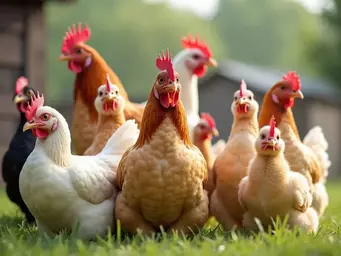 As you embark on your poultry farming journey, consider the myriad challenges that await. With the r
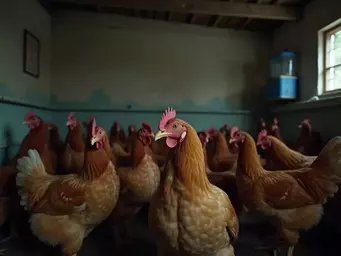 Did you know that proper housing conditions can directly influence poultry productivity and your bot