Unlock Poultry Potential!

Get Jordan T. Finch's expert insights on market trends and strategic opportunities in poultry farming directly to your inbox.

Impact of Housing on Poultry


Why Poor Housing Conditions Undermine Poultry Farm Success and What to Do

Posted on: 2025-10-23
By: Jordan T. Finch


Did you know that proper housing conditions can directly influence poultry productivity and your bottom line? In poultry farming, every detail in your housing can either lead to thriving flocks or devastating losses. Here’s what you’ll uncover about the importance of housing in your poultry operations.

What You Will Learn

  • The role of optimal temperature, adequate space, and ventilation in ensuring bird health and productivity.
  • How poor housing conditions can lead to increased mortality rates and reduced profits.
  • Animal welfare considerations that can enhance flock comfort and productivity.
  • Real-world success stories demonstrating the financial benefits of investing in better housing.
  • Key steps to assess and enhance your current poultry housing conditions for long-term success.

Impact of Housing Conditions on Poultry Farm Success

Understanding how housing conditions influence poultry farm success, from productivity to profitability, is crucial. The visual below highlights key areas and their transformations.

Key Areas in Poultry Housing & Their Impact

Impact Area 1
Ventilation System

Promotes fresh air, prevents respiratory issues and disease outbreaks.

Directly affects flock health
Impact Area 2
Space Utilization

Reduces stress and mortality, ensures natural development per bird.

Essential for bird development
Impact Area 3
Temperature Control

Keeps birds comfortable, reduces stress, and boosts productivity.

Reduces stress, improves comfort
Impact Area 4
Litter Management

Reduces disease outbreaks and improves overall flock health.

Prevents disease, boosts health

Consequences of Substandard Housing

Consequence 1
Increased Mortality Rates

Poor conditions lead to stress and higher death rates in flocks.

Consequence 2
Frequent Disease Outbreaks

Insufficient sanitation creates breeding grounds for pathogens.

Consequence 3
Reduced Productivity

Stress and illness lead to lower egg production and growth rates.

Consequence 4
Increased Operational Costs

Higher veterinary bills and replacement costs due to poor health.

Real-World Success: Housing Upgrades

Case Study 1
Ohio Chicken Farm
  • Upgraded ventilation & insulation
  • Result: 25% increase in egg production (6 months)
  • Reduced energy costs
Case Study 2
Pennsylvania Turkey Farm
  • Improved litter management
  • Result: Decrease in disease outbreaks
  • Increased flock health

Understanding the Link Between Housing Conditions and Poultry Farm Success

When it comes to poultry farming, the conditions of your housing play a pivotal role in determining your overall success. Proper housing is not just about providing shelter; it significantly influences your flock’s health, productivity, and even your bottom line. As someone who has spent a decade in the poultry industry, I cannot stress enough how vital it is to get this right! To further understand the critical aspects of poultry management, you might find it beneficial to explore common pitfalls in poultry farming to avoid.

Poultry housing affects various aspects from ventilation to space utilization, impacting everything from growth rates to egg production. By understanding these connections, you can make informed decisions that set your poultry business up for success. So let’s dive into why housing conditions matter!

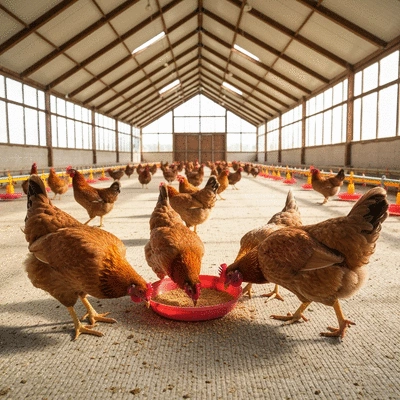
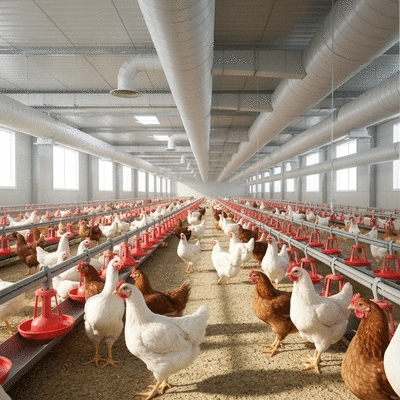
Modern poultry farm interior with healthy chickens and good lighting

Why Housing Conditions Matter for Poultry Farmers

The environment where your poultry live is essential for their growth and welfare. Well-designed housing improves bird comfort, which directly correlates to their ability to thrive. Factors like temperature control, adequate space, and clean air can lead to healthier flocks that yield better results.

  • Optimal Temperature: Keeps your birds comfortable and reduces stress.
  • Space Requirements: Ensures that each bird has enough room to move freely, which is essential for their development.
  • Ventilation: Promotes fresh air circulation, preventing respiratory issues and disease outbreaks.

By prioritizing these elements in your housing design, you are not just ensuring comfort but enabling your flock to reach their full potential. Trust me, the improvements you’ll see will be worth the effort!

The Hidden Costs of Poor Housing

Now, let’s address the elephant in the room: the financial implications of inadequate housing. Poorly designed facilities can lead to increased mortality rates, disease outbreaks, and reduced productivity. This means that what may seem like minor issues can spiral into significant costs. Avoiding these challenges is crucial for sustainable operations, and you can learn more about biosecurity failures in poultry farming to prevent such issues.

  • Increased Mortality Rates: Overcrowded conditions can lead to stress and higher death rates.
  • Frequent Disease Outbreaks: Insufficient ventilation and sanitation create an environment for pathogens to thrive.
  • Reduced Productivity: Stress and illness lead to lower egg production and growth rates, directly impacting your profits.

As I have observed in my career, every dollar spent on improving housing conditions can save you multiple dollars down the line. Effective housing not only protects your investment but also enhances your operational efficiency.

Animal Welfare Considerations in Poultry Housing

Animal welfare should always be at the forefront of any poultry farming operation. A housing design that prioritizes the needs of your flock leads to healthier birds and better productivity. Welfare-friendly housing enables your poultry to express natural behaviors, which is fundamental for their well-being.

  • Natural Light: Incorporating windows or skylights can reduce stress and improve flock morale.
  • Enrichment Features: Allowing for natural behaviors like perching or dust bathing supports overall health.
  • Access to Outdoors: Providing outdoor space promotes exercise and helps reduce the risk of disease.

Ultimately, investing in humane housing not only fulfills ethical obligations but also leads to higher productivity and improved marketability of your products. It’s a win-win situation!

Consequences of Substandard Poultry Housing

Inadequate housing can have devastating effects on both the health of your flock and the profitability of your farm. Understanding these consequences is crucial for making informed decisions about your business.

Interactive Poll: Your Thoughts on Poultry Housing

As we've explored the critical role of housing conditions in poultry farming, we want to know your opinion! How important do you believe housing upgrades are for the success of a poultry farm?

Real-World Examples: Success Stories from Poultry Farmers

In the world of poultry farming, real-world examples can often provide the best insights into the benefits of investing in proper housing. Farmers who have made significant upgrades to their housing conditions have seen remarkable improvements in productivity and overall farm success. Let's dive into some case studies that illustrate these transformations!

Case Studies of Housing Upgrades

Take, for instance, a mid-sized chicken farm in Ohio. After upgrading their ventilation system and improving the insulation of their housing, they reported a 25% increase in egg production within just six months. This upgrade not only boosted productivity but also reduced energy costs significantly!

  • Case Study 1: A turkey farm in Pennsylvania improved their litter management practices, which resulted in a decrease in disease outbreaks and an increase in flock health.
  • Case Study 2: An ostrich farmer in Texas implemented climate control solutions, leading to healthier birds and better weight gain rates.
  • Case Study 3: Quail farmers in California who enhanced their housing designs saw an uptick in market demand due to improved product quality. For a deeper dive into successful quail farming, explore this quail farm success case study.

These examples highlight how targeted housing improvements can translate into tangible financial returns and enhanced productivity. It's inspiring to see how taking the right steps can lead to meaningful change in the poultry industry!

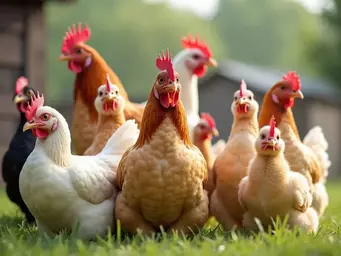
Happy, healthy chickens freely roaming in a spacious, well-lit poultry house

Testimonials from Farmers

Let's hear directly from those who have experienced the benefits of upgrading their poultry housing. I recently spoke with Maria, a poultry farmer from North Carolina, who shared her story. After investing in new housing designs that prioritized animal welfare, she noticed her flock’s health improved, and her profits followed suit!

  • Maria: "The new housing designs brought my birds much more comfort, and I could see it in their productivity!"
  • James: "After upgrading our ventilation system, we not only saved on heating costs but also increased our egg yield significantly."
  • Linda: "Investing in better housing was a game-changer for us. It’s all about creating a happy environment for the birds!"

These testimonials remind us that well-designed housing isn't just about aesthetics—it's about creating a healthy, productive environment for our birds and ultimately boosting our farms' success.

Next Steps for Poultry Farmers

Assessing Your Current Housing Conditions

Now that we've discussed the success stories, it's crucial for every poultry farmer to evaluate their current housing conditions. A thorough assessment can help identify areas that need improvement. Here’s how you can get started:

  • Inspect ventilation systems for effectiveness and airflow.
  • Check for signs of overcrowding and ensure space allocation meets industry standards.
  • Evaluate insulation and temperature control methods to maintain a stable environment.
  • Look for signs of disease among the flock that could indicate suboptimal housing conditions.

By taking these steps, you’ll gain a clear understanding of what changes need to be made to enhance your poultry housing!

Resources for Further Learning and Support

There are many resources available to support you in improving your poultry housing. As someone dedicated to empowering farmers, I recommend checking out:

  • Your local agricultural extension service for workshops and expert advice.
  • Online forums and communities focused on poultry farming for shared experiences and insights.
  • Educational materials available from reputable poultry organizations.

Utilizing these resources will not only increase your knowledge but also connect you with others in the industry who are on a similar journey.

Final Thoughts: The Importance of Investing in Poultry Housing

As we wrap up this discussion, it's essential to recognize that investing in poultry housing is a long-term strategy that pays off. By prioritizing the health and well-being of your flock through proper housing, you're setting yourself up for success in the poultry industry.

Understanding the Economic Viability of Poultry Housing Improvements

Investing in housing upgrades leads to better profitability by enhancing productivity and market access. I’ve seen firsthand how farmers who prioritize their flock’s environment not only thrive but also maintain sustainable operations. It’s worth considering the long-term economic benefits of such investments!

Call to Action: Start Improving Your Poultry Housing Today

Ready to take the next step? I encourage you to assess your current poultry housing conditions and explore ways to improve them. Whether it's upgrading your ventilation systems or enhancing biosecurity measures, every small step counts. Let's work together to create healthier, more productive environments for our poultry—and ultimately, a more successful farm!

Frequently Asked Questions About Poultry Housing

Q: Why are housing conditions so important in poultry farming?
A: Proper housing directly impacts flock health, productivity, and profitability by ensuring optimal temperature, adequate space, and good ventilation. Poor conditions lead to stress, disease, and reduced output.
Q: What are the key elements of good poultry housing?
A: Key elements include effective ventilation systems, sufficient space utilization to prevent overcrowding, precise temperature control for bird comfort, and diligent litter management to prevent disease.
Q: What are the consequences of substandard housing?
A: Substandard housing can lead to increased mortality rates, frequent disease outbreaks, reduced productivity (lower egg production and growth rates), and increased operational costs due to veterinary bills and replacements.
Q: How can improving housing conditions benefit my farm financially?
A: As demonstrated by case studies, housing upgrades can lead to significant increases in egg production (e.g., 25% in six months), reduced energy costs, fewer disease outbreaks, and overall healthier flocks, all contributing to higher profits.
Q: What are some animal welfare considerations for poultry housing?
A: Welfare-friendly housing includes providing natural light with windows or skylights, incorporating enrichment features like perching or dust bathing areas, and offering access to outdoor spaces to promote natural behaviors and reduce disease risk.
Q: Where can I find resources to help me improve my poultry housing?
A: You can seek support from your local agricultural extension service, participate in online forums and communities dedicated to poultry farming, and consult educational materials from reputable poultry organizations.

Recap of Key Points

Here is a quick recap of the important points discussed in the article:
  • Optimal Temperature: Maintain a comfortable environment to reduce stress among your flock.
  • Space Requirements: Ensure adequate space for each bird to promote healthy development.
  • Ventilation: Implement effective ventilation to prevent respiratory issues and disease outbreaks.
  • Financial Implications: Understand that poor housing can lead to increased mortality rates and reduced productivity.
  • Animal Welfare: Prioritize humane housing to enhance flock health and productivity.
  • Assess Current Conditions: Regularly evaluate your housing to identify areas for improvement.

Subscribe & Share
Tech Innovations in Poultry Farming Emerging Technologies Impacting Poultry Farming Profitability Are you ready to revolutionize your poultry farming operations? Embracing emerging technologies can
Raising Poultry: Common Challenges Explained Common Challenges and Pitfalls in Raising Different Poultry Types: What New Farmers Should Know As you embark on your poultry farming journey, consider the myriad challenges that await. With the r
Impact of Housing on Poultry Why Poor Housing Conditions Undermine Poultry Farm Success and What to Do Did you know that proper housing conditions can directly influence poultry productivity and your bot
Banner
Poultry Farming Insights

Your go-to resource for unlocking the vast business potential of poultry farming. We help farmers and aspiring entrepreneurs with strategic market insights and practical guidance.

Trusted by a growing community of avian enthusiasts, our mission is to provide reliable, easy-to-follow insights backed by over a decade of industry expertise.

Explore Opportunities
Recent Posts
Emerging Technologies Impacting Poultry Farming Profitability Tech Innovations in Poultry Farming

Are you ready to revolutionize your poultry farmin

Common Challenges and Pitfalls in Raising Different Poultry Types: What New Farmers Should Know Raising Poultry: Common Challenges Explained

As you embark on your poultry farming journey, con

Why Poor Housing Conditions Undermine Poultry Farm Success and What to Do Impact of Housing on Poultry

Did you know that proper housing conditions can di

Poultry Farming Insights: Quick Tips