Sustainable Trends in Poultry Farming
Posted on: 2025-09-03
By: Jordan T. Finch
As we approach 2025, the landscape of poultry farming is evolving rapidly due to sustainability practices. With consumer preferences shifting and environmental challenges growing, understanding these changes is essential for success in the industry. What can poultry farmers do to stay ahead? Here are key insights to navigate the future effectively.
What You Will Learn
- Sustainability in poultry farming encompasses ecological balance, economic viability, and social equity.
- Key principles include resource efficiency, animal welfare, environmental stewardship, and economic sustainability.
- Innovative practices like renewable energy and precision farming enhance productivity and reduce operational costs.
- Consumer preferences are increasingly favoring sustainably sourced products, pushing farmers to adapt their practices.
- Utilizing data analytics and smart sensors can significantly improve animal health monitoring and resource management.
- Direct-to-consumer sales channels can boost profit margins and build stronger relationships with customers.
- Investing in education and community engagement is vital for staying competitive and fostering customer loyalty.
Key Pillars of Sustainable Poultry Farming by 2025
Sustainability in poultry farming balances ecological, economic, and social responsibilities through key actionable principles.
Environmental Responsibility
- Waste Management & Recycling
- Cover Crops for Soil Health
- Water Conservation Techniques
Mitigating ecological impact and enhancing marketability.
Economic Resilience & Diversification
- Direct-to-Consumer Sales
- Renewable Energy Initiatives
- Community-Supported Agriculture
Ensuring long-term profitability and stability.
Evolving Practices & Technology
- Data Analytics for Efficiency
- Smart Sensors for Animal Health
- Exploring Vertical Farming
Adapting to trends and improving operational efficiency.
Consumer Trends & Demand
- Preference for Local Products
- Demand for Transparency
- Eco-Labeling & Certifications
Meeting market expectations for ethical and eco-friendly poultry.
Understanding Sustainability in Poultry Farming for 2025
As we look towards 2025, sustainability in poultry farming is not just a buzzword; it’s becoming a critical framework for the entire industry. At Poultry Farming Insights, I believe that understanding what sustainability truly means is essential for farmers and entrepreneurs alike. It’s about creating systems that are not only productive but also environmentally and socially responsible.
To delve deeper, let’s explore how sustainability can be defined in the context of poultry farming. It encompasses practices that promote ecological balance, economic viability, and social equity. Farmers should consider these aspects when developing their long-term strategies, ensuring that they can thrive without compromising future generations. For more insights into creating resilient operations, consider exploring poultry house construction tips.
Defining Sustainability in Poultry Farming
When we think about sustainability, several key principles come to mind. These principles guide the practices that farmers should adopt to make a meaningful impact:
- Resource Efficiency: Utilizing feed, water, and energy more efficiently to reduce waste.
- Animal Welfare: Ensuring that poultry are raised in healthy, humane conditions that promote their well-being.
- Environmental Stewardship: Minimizing pollution and conserving biodiversity through sustainable practices.
- Economic Sustainability: Implementing practices that support long-term profitability and community development.
These principles serve as a foundation for developing a sustainable poultry operation. As I often emphasize, adopting even a few of these practices can lead to significant improvements in both productivity and environmental impact.
Key Principles of Sustainable Practices
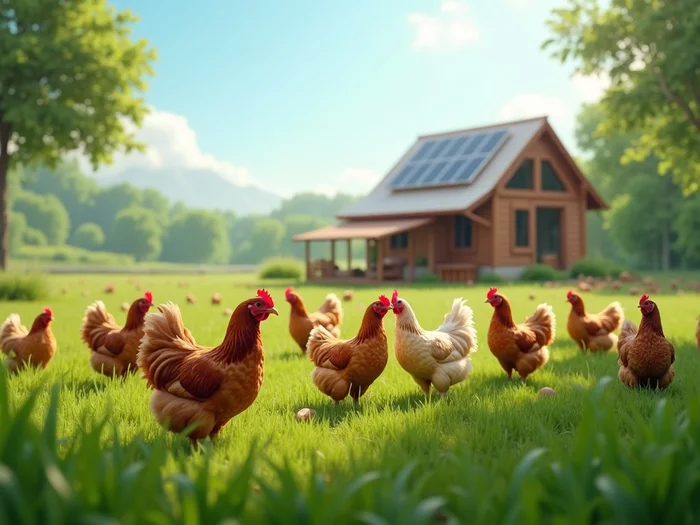
The key principles of sustainability should not just be theoretical; they need to be actionable. For instance, integrating renewable energy sources, such as solar panels, can significantly reduce operational costs while enhancing environmental responsibility. Moreover, exploring permaculture principles can lead to a more efficient use of land and resources.
Emphasizing animal welfare is equally vital. Studies have shown that healthier animals not only produce better yields but also contribute to a more sustainable ecosystem. By prioritizing these principles, poultry farmers can build a resilient business model that benefits both the environment and the economy.
The Role of Environmental Responsibility
Environmental responsibility is at the heart of sustainable poultry farming. It involves recognizing the impact of farming practices on the ecosystem and taking steps to mitigate this effect. This means understanding specific practices like:
- Implementing waste management systems to recycle waste into fertilizer.
- Utilizing cover crops to improve soil health and reduce erosion.
- Engaging in water conservation techniques to ensure efficient use.
By fostering environmental stewardship, we not only support the planet but also enhance our marketability. Consumers are increasingly seeking out products that align with their values, making environmental responsibility a competitive advantage for poultry farmers.
Current Trends and Future Predictions
As we venture further into 2025, it’s important to recognize how sustainability practices are evolving. The poultry industry is experiencing a shift due to various factors, including technological advancements and changes in consumer preferences. For more details on adapting to these shifts, read about small scale poultry farming for beginners.
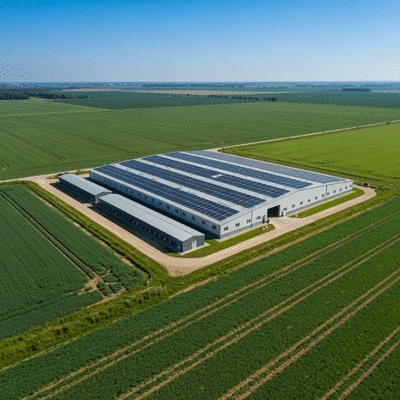
Farmers today must stay informed about these trends to remain competitive. By embracing innovative practices and remaining adaptable, poultry producers can position themselves for success in a rapidly changing landscape.
How Sustainability Practices Are Evolving
The evolution of sustainability in poultry farming is marked by the integration of technology and smarter practices. This includes everything from precision farming techniques that utilize data analytics to optimize feed efficiency, to employing smart sensors for real-time monitoring of animal health. These advancements are transforming how we approach sustainability.
- Data Analytics: Leveraging data to make informed decisions about feed and health management.
- Smart Sensors: Using technology to monitor poultry conditions and enhance welfare.
- Vertical Farming: Exploring innovative space utilization for efficient production.
These innovations not only support sustainability but also improve operational efficiency, leading to better outcomes for farmers and the environment alike.
The Impact of Consumer Preferences on Poultry Farming
Today’s consumers are more informed and concerned about how their food is produced. This shift in consumer preferences is driving poultry farmers to adopt more sustainable practices. They are increasingly seeking products that reflect their values, which often include ethical treatment of animals and environmentally friendly farming methods.
To remain competitive, farmers must adapt to these changing demands. Incorporating consumer feedback into business strategies can lead to enhanced product offerings that resonate with a conscientious audience. This isn’t just a trend; it’s a significant shift that will continue to shape the future of poultry farming.
Climate Change and Its Effects on Poultry Production
Climate change poses significant challenges to poultry farming, affecting everything from feed supply to animal health. As temperatures rise, it becomes crucial for farmers to implement strategies that mitigate these impacts. For instance, focusing on climate-resilient breeds can help ensure that poultry adapts to changing environmental conditions.
Furthermore, exploring ways to reduce greenhouse gas emissions from poultry production can not only benefit the environment but also align with regulatory frameworks that are increasingly focused on sustainability. By proactively addressing climate-related challenges, farmers can secure their businesses against future uncertainties.
Pro Tip
Did you know? Incorporating local feed sources not only supports your community's economy but also enhances the sustainability of your poultry operation. By reducing transport emissions and ensuring fresher feed, you can significantly lower your carbon footprint while maintaining high-quality nutrition for your birds.
Envisioning the Future of Poultry Farming
As we look ahead to the future of poultry farming, it's essential to understand the role of economic resilience and diversification in ensuring sustainability. With challenges like fluctuating market demands and environmental concerns, diversifying revenue streams can provide a safety net for poultry farmers. By embracing innovative sales channels and sustainable practices, farmers can adapt to the evolving landscape of the poultry industry.
For instance, incorporating direct-to-consumer sales channels not only enhances transparency but also fosters a stronger connection with customers. This approach allows farmers to showcase their commitment to sustainable practices while offering fresh, high-quality products directly to local markets.
The Role of Economic Resilience and Diversification
Direct-to-Consumer Sales Channels for Sustainability
Direct sales have become increasingly popular among consumers looking for fresh produce and ethical sourcing. Here are some key benefits of this approach:
- Increased Profit Margins: Bypassing middlemen allows farmers to retain a larger share of the sales.
- Building Customer Loyalty: Direct engagement fosters trust and repeat business.
- Enhanced Market Awareness: Farmers can gather immediate feedback from consumers, guiding future production decisions.
As I’ve seen firsthand in my journey with Poultry Farming Insights, farmers who adopt direct-to-consumer strategies often experience higher levels of customer satisfaction and brand loyalty.
Renewable Energy Initiatives in Poultry Farms
Another exciting development is the implementation of renewable energy initiatives within poultry operations. Farmers are increasingly turning to solar and wind energy to power their farms, yielding several advantages:
- Reduced Energy Costs: Generating your own energy can significantly lower operating expenses.
- Environmental Impact: Renewable energy sources help reduce greenhouse gas emissions.
- Attracting Eco-Conscious Consumers: A commitment to sustainability can be a unique selling point.
By investing in renewable energy, poultry farms not only contribute to a healthier environment but also position themselves as leaders in sustainable practices.
Community-Supported Agriculture and Local Food Systems
Community-supported agriculture (CSA) models are another avenue for fostering sustainability in poultry farming. By connecting directly with local consumers, farmers can:
- Enhance Food Security: Creating a reliable food source for local communities.
- Strengthen Community Ties: Building relationships with consumers fosters local support.
- Encourage Seasonal Eating: Promoting the consumption of local, seasonal products.
In my experience, participating in CSA programs has not only benefited local communities but also helped farmers like myself build a loyal customer base.
Case Studies and Success Stories in Sustainable Poultry Farming
Looking at successful examples of sustainable poultry farming can provide valuable insights into effective practices. These case studies often highlight how innovative farms are leading the way in sustainable operations.
Highlighting Innovative Farms Leading the Way
One standout example is a small family-owned farm that transitioned to organic practices, seeing a marked improvement in both productivity and community support. By focusing on environmentally friendly methods such as crop rotation and natural pest control, they not only improved their yields but also attracted health-conscious consumers.
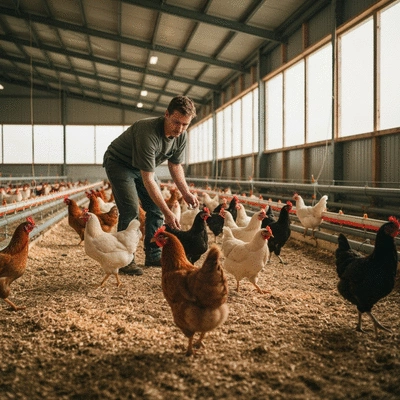
Additionally, farms that have implemented technology-driven solutions, like automated feeding systems, demonstrate how innovation can reduce waste and enhance efficiency. These success stories inspire others in the industry to explore similar paths!
Lessons Learned from Successful Sustainability Implementations
From these examples, we can extract several key lessons:
- Invest in Education: Continuous learning about sustainable practices can lead to better decision-making.
- Engage the Community: Building relationships with local consumers can create a strong support network.
- Adaptability is Key: Being open to change and innovation allows farms to thrive in dynamic markets.
As I reflect on the experiences of these pioneering farms, it’s clear that sustainable practices not only protect the environment but also enhance the viability of poultry businesses for the future. You can learn more about practical applications by visiting broiler farming for beginners.
Engaging with the Future of Poultry Farming
To navigate the future of poultry farming successfully, understanding consumer trends is vital. Increasingly, consumers are seeking sustainably farmed poultry, which shifts the focus from traditional farming methods to more eco-friendly practices.
Consumer Trends and Demand for Sustainably Farmed Poultry
Understanding Shifts in Consumer Behavior
With a growing awareness of environmental issues, consumers are prioritizing sustainability in their purchasing decisions. Here are some ways this shift manifests:
- Preference for Local Products: Consumers are increasingly drawn to locally sourced poultry.
- Demand for Transparency: Buyers want to know where their food comes from and how it’s produced.
- Shift Towards Organic and Non-GMO Options: Health-conscious consumers are seeking out organic products.
Recognizing these trends can help poultry farmers tailor their operations to meet consumer expectations and remain competitive.
How Producers Can Meet Changing Consumer Expectations
Producers can respond to these shifting preferences by:
- Enhancing Transparency: Share production methods and farm practices with consumers.
- Investing in Certifications: Obtain organic or humane certifications to appeal to health-conscious buyers.
- Utilizing Social Media: Leverage online platforms to engage with consumers and showcase sustainability efforts.
As I continue to explore these changes within Poultry Farming Insights, I am reminded that adaptability is crucial for meeting the evolving demands of the market.
The Importance of Eco-Labeling in Consumer Choices
Eco-labeling plays a significant role in helping consumers make informed decisions. Labels that indicate sustainable practices or certifications can guide consumers toward products they feel good about buying. Here’s why eco-labeling is important:
- Consumer Trust: Labels enhance credibility and build trust with consumers.
- Market Differentiation: Eco-labels can set your products apart in a crowded marketplace.
- Education on Sustainability: Labels inform consumers about the benefits of sustainable practices.
By adopting eco-labeling, poultry farmers can not only boost their sales but also promote sustainable practices within the industry.
FAQs on Sustainable Poultry Farming by 2025
What does sustainability in poultry farming mean?
Sustainability in poultry farming involves practices that balance ecological health, economic viability, and social equity. This includes efficient resource use, animal welfare, environmental protection, and long-term profitability.
What are the key principles of sustainable poultry farming?
The key principles include resource efficiency (feed, water, energy), ensuring high animal welfare, environmental stewardship (waste management, soil health, water conservation), and economic sustainability for long-term business success.
How are consumer preferences impacting sustainable poultry farming?
Consumers are increasingly seeking sustainably sourced products, prioritizing local produce, demanding transparency in production, and favoring organic or non-GMO options. Farmers must adapt to these trends to remain competitive.
What role does technology play in sustainable poultry farming?
Technology, such as data analytics and smart sensors, helps optimize feed efficiency, monitor animal health in real-time, and improve overall operational efficiency. Vertical farming is also being explored for efficient space utilization.
How can poultry farmers achieve economic resilience through sustainable practices?
Economic resilience can be achieved through diversification, such as direct-to-consumer sales channels for higher profit margins, investing in renewable energy to reduce costs, and participating in Community-Supported Agriculture (CSA) to build local ties and ensure food security.
Summarizing Key Insights for Sustainable Poultry Practices by 2025
As we approach 2025, it's crucial to highlight the future opportunities that lie ahead for poultry farmers. Embracing sustainability is not just a trend; it’s a necessary evolution in our industry.
Highlighting Future Opportunities for Farmers
Farmers who commit to sustainable practices can expect:
- Increased Market Demand: Sustainability will likely continue to be a priority for consumers.
- Access to New Markets: Eco-friendly products can open doors to niche markets.
- Innovation and Collaboration: Opportunities for partnerships with organizations focused on sustainability.
By taking advantage of these opportunities, farmers can position themselves for long-term success.
Encouraging Sustainable Practices for a Healthier Industry
Ultimately, fostering a culture of sustainability within poultry farming is essential for building a healthier industry. As poultry farmers, we have the power to make impactful decisions that benefit not just our businesses, but also our communities and the environment.
Through education, innovation, and a commitment to sustainability, we can pave the way for a thriving poultry industry that supports both economic growth and environmental stewardship. Let’s work together to create a sustainable future for poultry farming!
Recap of Key Points
Here is a quick recap of the important points discussed in the article:
- Adopt sustainable practices to enhance ecological balance, economic viability, and social equity.
- Focus on resource efficiency, animal welfare, and environmental stewardship to support long-term profitability.
- Utilize technology like data analytics and smart sensors to improve operational efficiency and animal health.
- Engage with consumer preferences for transparency, local sourcing, and ethical treatment of animals.
- Implement renewable energy initiatives to reduce operational costs and attract eco-conscious customers.
- Explore community-supported agriculture models to strengthen local ties and enhance food security.
- Invest in education and adaptability to stay informed about evolving market trends and consumer demands.
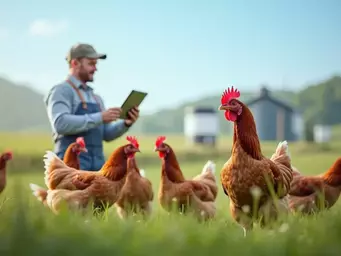 Are you ready to revolutionize your poultry farming operations? Embracing emerging technologies can
 As you embark on your poultry farming journey, consider the myriad challenges that await. With the r
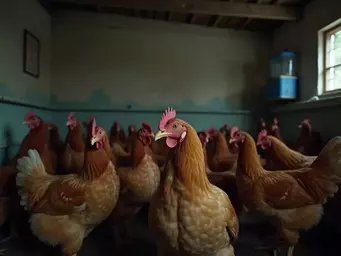 Did you know that proper housing conditions can directly influence poultry productivity and your bot