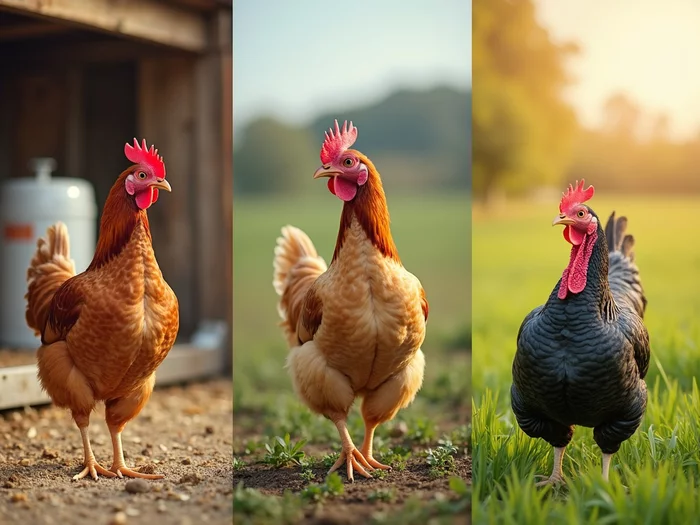
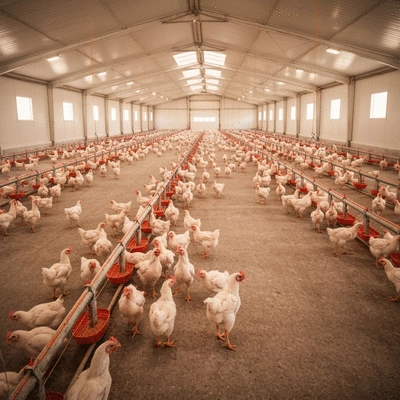
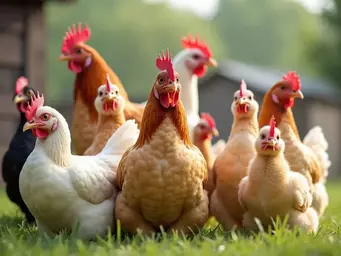
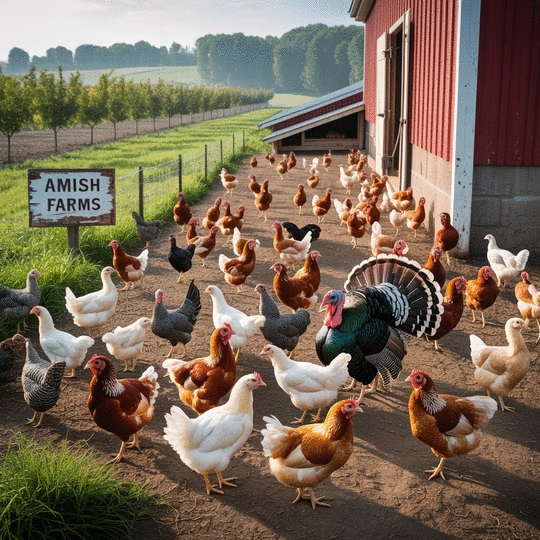
What if the key to your success in poultry farming lies in understanding the unique characteristics of broilers, layers, and turkeys? Each type offers distinct advantages and challenges that can shape your business strategy and profitability.
What You Will Learn
Broilers: Fast-growing chickens that can be harvested in 6-8 weeks, making them ideal for quick returns on investment.
Layers: Produce up to 300 eggs per year and provide a consistent income over multiple years, especially with the rising demand for organic options.
Turkeys: Unique care requirements and seasonal market demand, particularly peaking during holidays like Thanksgiving.
Profitability Insights: Understanding profit margins and operational costs can significantly influence your poultry farming decisions.
Key Differences & Profitability in Poultry Farming
Delve into the core distinctions between broilers, layers, and turkeys, and their respective contributions to the profitability of a poultry farming enterprise. For more comprehensive insights into various poultry types and their potential, consider understanding poultry types and potential.
Poultry Type: Broiler Chickens
Fast-growing chickens raised for meat, known for efficient feed conversion.
Key Characteristics:
Growth Rate: 6-8 weeks to market weight
Efficiency: High feed-to-body weight conversion
Profitability: Quick turnover, faster ROI
Poultry Type: Layer Chickens
Hens primarily kept for egg production, offering a steady income stream.
Key Characteristics:
Production: Up to 300 eggs per year
Cycle: Up to 72 weeks of egg production
Profitability: Steady income, long-term stability
Poultry Type: Turkeys
Raised for meat with seasonal demand peaks, requiring specialized care.
Feed is a significant expense across all poultry types, directly impacting profitability.
Cost Optimization Tips:
High-quality, type-specific feed
Bulk purchasing for discounts
Monitor consumption for inefficiencies
Understanding Poultry Farming: Broilers, Layers, and Turkeys
When delving into the world of poultry farming, it’s essential to grasp the different types of poultry we can raise. Each type—broilers, layers, and turkeys—plays a unique role in the market, affecting everything from consumer choices to revenue potential. Understanding these distinctions can help you make informed decisions about which avenue to pursue in your poultry business.
Overview of Poultry Types and Their Roles in the Market
In the poultry industry, broilers, layers, and turkeys serve different consumer needs. Broilers are primarily raised for meat, while layers are focused on egg production. Turkeys, on the other hand, have a specific market, especially around holidays. These differences not only dictate farming practices but also influence market prices and consumer demand. To stay competitive, it's vital to understand poultry market trends and forecasts.
Broilers: Fast-growing chickens raised for meat.
Layers: Hens primarily kept for egg production.
Turkeys: Raised for meat, with a peak demand during Thanksgiving.
By recognizing these distinctions, you can better align your farming practices with market expectations and consumer preferences.
Key Differences Among Broilers, Layers, and Turkeys
Understanding the key differences among broilers, layers, and turkeys is crucial for anyone looking to succeed in the poultry field. For instance, broilers are typically harvested at a younger age compared to layers, which are kept for their egg-laying capabilities over a longer period. Turkeys, however, require different management practices altogether due to their unique biological needs.
Growth Rate: Broilers can reach market weight in as little as 6-8 weeks.
Production Cycle: Layers may produce eggs for up to 72 weeks before needing replacement.
Market Demand: Turkeys tend to have seasonal peaks, especially during holidays.
Such knowledge allows you to adapt your strategies and better meet market demands.
Broiler Chickens: Characteristics and Market Position
Broiler chickens are particularly attractive to new poultry farmers due to their fast growth and high demand in the meat market. These birds are bred specifically for efficient meat production and can be raised in various systems, from free-range to intensive farming. Their adaptability makes them a popular choice for those entering the poultry business.
Efficiency: Broilers convert feed to body weight more effectively than other poultry types.
Market Accessibility: There’s a wide consumer base eager for chicken products.
Short Turnaround: Quick production cycles allow for faster financial returns.
This market position not only contributes to profitability but also provides a more manageable entry point for aspiring poultry entrepreneurs.
Layer Chickens: Focus on Egg Production and Consumer Demand
Layer chickens are the backbone of the egg industry, offering a steady source of income for farmers. With increasing consumer demand for eggs—especially organic and free-range options—investing in layers can be a smart move. Keeping layers requires a different set of management practices, including proper housing, nutrition, and healthcare.
Egg Production: On average, a single layer can produce up to 300 eggs per year.
Market Trends: There's a growing trend towards organic and cage-free eggs.
Long-term Investment: Layers can provide steady income over multiple years.
By understanding these elements, you can better position your poultry farming venture to meet consumer needs while ensuring profitability.
Turkeys: Unique Aspects of Production and Market Trends
Turkeys can present exciting opportunities alongside their unique challenges. They are less commonly raised than chickens, which can lead to less competition in certain markets. However, turkey farming typically requires more space and specialized care, particularly during the growth phase, as they are larger and more delicate than chickens.
Seasonal Market: Demand spikes during Thanksgiving and Christmas.
Production Care: Turkeys require more attention to health and nutrition than broilers or layers.
Price Fluctuations: Prices can vary significantly based on the season and market supply.
Understanding these aspects can help you navigate the complexities of turkey farming and position your business effectively within the poultry sector.
We Want to Hear From You!
As you explore the different avenues in poultry farming, we’d love to know: Which type of poultry are you most interested in raising—broilers, layers, or turkeys? Share your thoughts below!
FAQs About Poultry Farming Types
Broilers are chickens raised specifically for meat, characterized by fast growth (6-8 weeks). Layers are hens kept for egg production, providing a steady income over several years. Turkeys are raised for meat with seasonal demand peaks (e.g., Thanksgiving) and require more specialized care due to their larger size and unique needs.
Broilers generally offer the quickest return on investment due to their fast growth rate and short production cycle (6-8 weeks to market weight), allowing for rapid turnover and cash flow.
Key factors include feed costs (often the largest expense), market demand and pricing for meat or eggs, growth rate and production cycle of the chosen poultry type, and operational costs such as housing, healthcare, and labor. Efficient management of these factors is crucial for maximizing profit margins.
Feed costs are one of the most significant expenses in poultry farming, directly impacting overall profitability. Optimizing feed costs involves choosing high-quality, type-specific feed, considering bulk purchasing, and monitoring consumption to identify inefficiencies.
There is a growing consumer demand for eggs, particularly organic and cage-free options. This trend offers a stable and long-term income stream for farmers investing in layer chickens, provided they implement proper management practices for housing, nutrition, and healthcare.
Evaluating Profitability in Poultry Farming
As a poultry entrepreneur, understanding the profitability of your business is crucial. Evaluating the differences in profit margins among broilers, layers, and turkeys can help you make informed decisions about which poultry type aligns best with your financial goals. In this section, I'll break down the financial aspects of each type and share insights that could shape your poultry farming journey.
When considering profitability, it’s essential to factor in not just the revenue potential but also the associated costs. By understanding these dynamics, you can better position your poultry operation for success in a competitive market. Let’s delve into how each poultry type stacks up against the others!
Profit Margins: Broilers vs Layers vs Turkeys
Analyzing profit margins is key to determining which poultry type might be the most lucrative for your situation. Here’s a quick comparison:
Broilers: Generally have a quicker turnover rate, leading to faster returns on investment.
Layers: Provide a steady income through egg production, offering long-term financial stability.
Turkeys: Have a longer growth period but can command higher prices during peak seasons.
Each of these types presents unique opportunities and challenges. For instance, broilers allow for rapid scaling, while layers provide consistency. By weighing these factors, you'll be able to choose the right poultry type that suits your investment strategy.
Revenue Generation: Fast Turnover vs Steady Production
When it comes to revenue generation, both fast turnover and steady production have their advantages. Broilers, for example, can be processed in about six weeks, making them a quick source of cash flow. In contrast, layers have a slower initial investment period but can produce eggs consistently for several years, creating a reliable income stream. Effective diversification of income in poultry farming can further stabilize your business.
It’s important to assess your financial landscape and choose a model that fits your goals. If you’re looking for immediate returns, broilers may be the way to go. However, if you prefer a long-term approach with less fluctuation, layers could be your best option!
Long-term Financial Outlook for Turkey Farming
Turkey farming can be quite rewarding, especially during holiday seasons when demand peaks. However, the longer growth cycle requires careful planning and forecasting. Understanding the market trends and consumer preferences can help you navigate the financial landscape effectively.
Here are some considerations for a successful turkey farming venture:
Monitor seasonal demand spikes, particularly around Thanksgiving and Christmas.
Invest in quality feed and biosecurity measures to ensure healthy growth.
Plan for fluctuations in market prices to maximize profits.
By addressing these factors, you can enhance your profitability and ensure a sustainable future for your turkey farming enterprise.
Cost Analysis: Understanding Feed Costs and Their Impact
Feed costs are one of the most significant expenses in poultry farming. It’s essential to evaluate how these costs impact your overall profitability. For each poultry type, feed represents a substantial portion of your operational expenses.
Understanding the nutritional needs and feed requirements for broilers, layers, and turkeys can help you optimize your feed costs. Here are a few tips to keep in mind:
Choose high-quality feed that meets the specific needs of your poultry type.
Consider bulk purchasing options to reduce costs.
Regularly monitor feed consumption to identify any inefficiencies.
With a solid understanding of feed costs, you can make informed decisions that will positively impact your bottom line and enhance the overall health of your flock.
Recap of Key Points
Here is a quick recap of the important points discussed in the article:
Broilers: Fast-growing chickens primarily raised for meat, achieving market weight in 6-8 weeks.
Layers: Hens focused on egg production, capable of producing up to 300 eggs per year and providing steady income over multiple years.
Turkeys: Raised for meat with peak market demand during holidays; require specialized care and have price fluctuations based on seasonality.
Profitability Considerations: Broilers offer quick turnover, layers provide long-term stability, and turkeys can command higher prices during peak seasons.
Feed Costs: Proper evaluation and management of feed costs are crucial for optimizing profitability across all poultry types.
Impact of Housing on Poultry
Did you know that proper housing conditions can directly influence poultry productivity and your bot
Poultry Farming Insights
Your go-to resource for unlocking the vast business potential of poultry farming. We help farmers and aspiring entrepreneurs with strategic market insights and practical guidance.
Trusted by a growing community of avian enthusiasts, our mission is to provide reliable, easy-to-follow insights backed by over a decade of industry expertise.
Tip — Considering poultry? Start by researching local demand for specific types like chickens, turkeys, or quail. What are your community's needs?
n
Tip — Avoid common pitfalls! Have you thoroughly assessed market trends for your chosen poultry product? Understanding demand is key to profitability.
Tip — Unlock growth! Connect with experienced poultry farmers and industry experts. Networking can reveal invaluable resources and strategic opportunities.
Tip — Stay ahead! Regularly engage with industry newsletters and innovative blogs to keep up with evolving market demands and new farming techniques.
Tip — Ready to dive deeper? Explore our premium resources for comprehensive financial planning and execution strategies for your poultry venture.