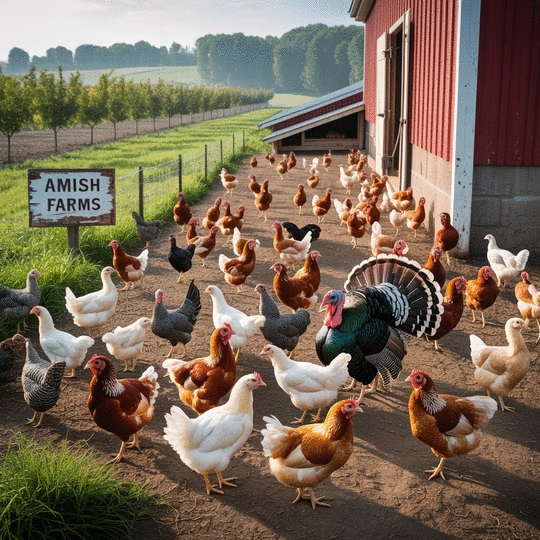
As a poultry farmer, effectively managing disease isn't just a precaution; it's the foundation of a successful operation. Did you know that a single outbreak could jeopardize your entire flock? In this guide, we delve into crucial strategies that can safeguard your poultry enterprise from potential threats.
What You Will Learn
The vital role of biosecurity measures in preventing disease outbreaks.
Effective isolation techniques to limit the spread of contagious diseases.
How to identify early signs of common poultry diseases for timely intervention.
The importance of implementing a health surveillance system for your flock.
Understanding zoonotic diseases and their potential risks to human health.
Strategies for effective outbreak management and containment protocols.
The economic impacts of disease outbreaks and the necessity of proactive management.
The significance of continuous education and community engagement among poultry farmers.
Key Aspects of Poultry Disease Management
Effective disease management for poultry farms relies on a proactive approach, encompassing biosecurity, early detection, and strategic response. The following summarizes the critical process flows and impacts involved. For more insights into common challenges, read about poultry farming pitfalls to avoid.
💰Increased Costs: Veterinary care, feed, regulatory penalties.
💰Market Damage: Long-term reputation and consumer trust.
💰Zoonotic Risks: Health threats to humans from salmonella, avian flu.
Significant financial and health consequences can arise.
Understanding Poultry Disease Management and Its Importance
As a poultry farmer, I’ve come to appreciate that effective disease management is one of the cornerstones for a thriving operation. In an industry where even a small outbreak can ripple through your entire flock, understanding how to manage and prevent disease is crucial. This section will explore the importance of disease management and provide actionable insights to safeguard your poultry enterprise.
To maintain the health and productivity of your flock, implementing robust strategies is essential. By prioritizing biosecurity, recognizing signs of disease early, and adopting effective management techniques, we can significantly mitigate risks and ensure long-term success.
The Role of Biosecurity in Preventing Outbreaks
Biosecurity is the first line of defense against poultry diseases. It encompasses a set of practices designed to prevent the introduction and spread of harmful pathogens. Every poultry farm should place strong emphasis on establishing comprehensive biosecurity measures to protect their investments. Neglecting these measures can lead to significant biosecurity failures in poultry farming.
Restricting access to farm premises
Regularly sanitizing equipment and vehicles
Maintaining strict visitor protocols
Implementing proper waste disposal procedures
If we focus on these key biosecurity measures, we can create a safer environment for our birds. Additionally, keeping a close eye on the movement of people and equipment will help us stay ahead of potential disease threats.
Key Biosecurity Measures Every Poultry Farm Should Implement
To ensure the highest level of biosecurity, consider the following measures:
Establishing a controlled access zone for equipment and staff
Employing footbaths or shoe covers to minimize contamination
Incorporating a health check for all incoming birds
By adopting these practices, we not only protect our poultry but also build a resilient farming community. Remember, consistency in these efforts is key to successful biosecurity.
Isolation Techniques to Limit Disease Spread
Isolation is another crucial tactic in disease management. It involves separating new or sick birds to prevent any potential transmission. This simple yet effective approach can be a game changer in controlling outbreaks. Here are some isolation strategies to consider:
Quarantining new arrivals for at least 30 days
Creating designated areas for sick birds
Using separate equipment for isolated flocks
By being proactive with isolation techniques, we not only minimize risks but also ensure the health of our entire flock remains intact.
Identifying Common Poultry Diseases: Early Detection Matters
Identifying diseases early can be the difference between a minor issue and a full-blown outbreak. Knowing the signs to look for can help us act quickly to protect our flocks. Some common diseases to be aware of include Avian Influenza and Exotic Newcastle Disease.
Watch for unusual respiratory symptoms
Monitor changes in egg production
Look for signs of lethargy or sudden deaths
Staying vigilant for these symptoms can help us intervene before a disease spreads widely. It’s important to regularly assess the health of our birds and report any anomalies to a veterinarian.
Recognizing Symptoms of Avian Influenza and Exotic Newcastle Disease
Both Avian Influenza and Exotic Newcastle Disease can devastate poultry populations. Here are a few symptoms to note:
Swelling of the head, neck, and eyes
Nasal discharge and coughing
Changes in egg color and quality
As a farmer, understanding these symptoms allows us to take immediate action, which can save both our flock and our livelihoods.
Importance of Poultry Health Surveillance for Timely Interventions
Implementing a robust health surveillance system is crucial. This includes regular health checks and monitoring for any signs of disease within the flock. By keeping detailed records and tracking health patterns, we can identify and address any potential issues swiftly.
Remember, knowledge is power when it comes to disease management in poultry farming. The sooner we detect health issues, the more effectively we can respond and minimize potential losses.
Understanding Zoonotic Diseases and Their Risks
As poultry farmers, it’s vital to be aware of zoonotic diseases—those that can transfer from animals to humans. Keeping our farms biosecure not only protects our birds but also our communities. Common zoonotic diseases include:
Salmonella
Campylobacter
Avian Influenza (in severe cases)
Taking precautions can significantly reduce risks to our health and that of our customers. Education and awareness surrounding these diseases are essential in maintaining a safe farming environment.
Effective Management Strategies for Disease Outbreaks
When a disease outbreak occurs, having a plan in place is essential. Effective management strategies can contain the outbreak and mitigate its impact on your farm.
Establishing clear protocols for reporting outbreaks
Training staff on emergency response procedures
Utilizing veterinary resources promptly
By being prepared, we can minimize the damage caused by disease outbreaks and maintain the integrity of our operations.
Protocols for Containing Disease Spread on Poultry Farms
Implementing effective containment protocols is critical during an outbreak. Consider these steps:
Isolate affected birds immediately
Limit movement of people and equipment
Enhance cleaning and disinfection efforts
Having these steps ready can help us react swiftly when faced with an outbreak, ultimately protecting our flock and business.
Conducting Epidemiological Investigations: Steps to Take
Conducting an epidemiological investigation is vital in understanding the source and spread of disease. Here are key steps to follow:
Gather data on affected birds and their environment
Identify potential transmission routes
Consult experts for insights and recommendations
Through this process, we gain a clearer picture of the situation, enabling us to make informed decisions moving forward.
Implementing Quarantine Procedures During Outbreaks
Quarantine procedures are essential for controlling disease spread. Make sure to:
Designate a specific area for quarantined birds
Monitor health closely during the quarantine period
Ensure strict sanitation of tools and clothing
Following these procedures can help contain the outbreak and prevent it from affecting the rest of your flock.
Economic Impact of Disease Outbreaks on Poultry Farms
The economic impact of disease outbreaks can be staggering. From direct losses due to flock mortality to indirect costs such as decreased production efficiency, the consequences can ripple throughout your operation.
Loss of revenue from affected flocks
Increased costs for veterinary care
Potential penalties from regulatory compliance failures
By understanding these impacts, we can better prepare ourselves to mitigate financial losses and protect our investments.
Financial Implications of Poor Disease Management
Poor disease management can lead to significant financial strain. Costs may arise from:
Loss of livestock
Increased feed costs due to lower production
Long-term market reputation damage
Investing in effective disease management strategies now can save us from severe financial ramifications down the line.
Cost-Benefit Analysis of Implementing Preventative Measures
When we weigh the costs of implementing preventative measures against potential losses from outbreaks, the benefits become clear. Regular investment in biosecurity and health checks can lead to:
Lower mortality rates
Increased productivity and profitability
Enhanced reputation among consumers
By approaching disease management strategically, we not only protect our birds but also build a sustainable business model.
Technological Solutions in Disease Monitoring and Prediction
In today’s digital age, leveraging technology for disease monitoring can revolutionize how we manage poultry health. Innovative tools and data analytics can provide us with insights that were once unattainable.
Real-time surveillance systems
Data analytics platforms for trend forecasting
Environmental monitoring tools
Embracing these technologies positions us ahead in the fight against poultry diseases!
Innovative Tools for Real-Time Surveillance
Utilizing innovative surveillance tools can help us track the health of our flocks seamlessly. Consider integrating:
Wearable health monitors for individual birds
Automated environmental sensors that track humidity and temperature
These tools can provide critical insights that inform our management practices and keep our flocks healthy.
Using Data Analytics to Predict Outbreaks
Data analytics allows us to analyze trends and patterns that may signal potential outbreaks. By employing predictive analytics, we can:
Identify risk factors associated with disease outbreaks
Adjust management practices based on historical data
With this proactive approach, we can stay one step ahead of potential threats to our poultry.
Environmental Monitoring for Enhanced Biosecurity
Environmental monitoring is crucial for maintaining robust biosecurity. By assessing factors such as air quality and water sources, we can:
Identify contamination risks
Implement timely interventions to mitigate threats
Integrating environmental monitoring into our biosecurity strategies can significantly enhance our ability to manage poultry health.
Learning from Real-Life Case Studies in Poultry Disease Management
Learning from real-life experiences in poultry disease management is invaluable. Insights from successful poultry farms can help us refine our strategies and avoid common pitfalls.
Case studies highlighting effective outbreak responses
Success stories from farmers who implemented innovative solutions
Sharing these experiences fosters a strong community, where we can learn from each other and strengthen our practices.
Successful Strategies from Leading Poultry Farms
Many successful poultry farms have adopted unique strategies to combat disease. Here are a few noteworthy examples:
Integrated pest management to minimize disease carriers
Regular health training for staff
By learning from these strategies, we can adapt and enhance our own practices to ensure a healthier farming operation.
Insights from Veterinary Experts on Outbreak Management
Veterinary expertise is crucial during disease outbreaks. Regular consultations with veterinarians provide us with:
The latest research on disease management
Guidance on vaccination protocols
Utilizing veterinary expertise can empower us to make informed decisions during critical times.
Veterinary Consultation as a Key Resource
Veterinary consultations can serve as an essential resource for farmers. Access to veterinary insights ensures we:
Stay updated on disease trends
Receive tailored recommendations for our specific operations
By valuing these consultative relationships, we can elevate our disease management efforts and protect our poultry farming endeavors.
Interactive Poll: Share Your Thoughts!
As a poultry farmer, how do you prioritize disease management in your operations? We would love to hear your strategies!
Frequently Asked Questions About Poultry Disease Management
What is the most crucial aspect of poultry disease management?
Biosecurity is the most crucial aspect. It involves practices designed to prevent the introduction and spread of pathogens, acting as the first line of defense for your flock.
Why is early detection of poultry diseases important?
Early detection can significantly reduce the impact of an outbreak. Recognizing symptoms quickly allows for timely intervention, limiting spread and minimizing losses to your flock and business.
What are zoonotic diseases, and why should poultry farmers be aware of them?
Zoonotic diseases are those that can transfer from animals to humans (e.g., Salmonella, Campylobacter, Avian Influenza). Awareness and biosecurity measures are vital to protect both your birds and human health.
How can technology assist in disease monitoring and prediction?
Technological solutions such as real-time surveillance systems, data analytics platforms for trend forecasting, and environmental monitoring tools can provide critical insights to prevent and manage outbreaks proactively.
What are the economic consequences of poor disease management?
Poor disease management can lead to significant financial strain, including revenue loss from flock mortality, increased costs for veterinary care and feed, potential regulatory penalties, and long-term damage to market reputation.
Summarizing Key Takeaways for Effective Disease Management
As we dive into the world of poultry farming, understanding disease management is crucial. There are several best practices that every farmer should implement to avoid common mistakes that can lead to severe financial and operational setbacks. This is not just about preventing disease; it’s about ensuring the long-term viability of your poultry enterprise.
Implementing Best Practices to Avoid Common Mistakes
Education and training are essential components of effective disease management. I cannot stress enough how important it is to invest in training programs that focus on the latest techniques in poultry health. Regular workshops and educational sessions can help keep your team informed and prepared.
Conduct regular biosecurity training sessions for all farm staff.
Implement hands-on workshops focusing on disease identification and prevention.
Encourage sharing of best practices among local poultry farmers.
By implementing these training programs, you'll equip your team with the knowledge they need to identify and manage potential outbreaks effectively. It’s all about creating a proactive culture of health within your farm.
Encouraging Continuous Learning and Adaptation in Poultry Health
The poultry industry is ever-evolving, which is why a commitment to ongoing education is vital. As market demands and disease threats change, your knowledge base needs to adapt as well. Whether it's attending conferences or subscribing to industry newsletters, the more informed you are, the better prepared your farm will be. This continuous learning can also help you understand and capitalize on poultry market trends and forecasts.
The Importance of Ongoing Education and Training
Continuous learning not only helps keep you updated about potential threats but also aids in implementing the best practices for your operation. Have you considered forming a local farmers' group? This community engagement can be a treasure trove of insights and support.
Building a Community of Farmers for Shared Knowledge
Engaging with fellow farmers fosters a sense of community and shared responsibility. Networking can lead to collaborative learning, where you can share experiences and strategies that work. I'm a firm believer that together, we can navigate the complexities of poultry farming more effectively.
Taking Action: Safeguarding Your Poultry Farm
Now that we've covered the importance of disease management and continuous learning, it’s time to take action. Safeguarding your poultry farm starts with a solid plan to enhance biosecurity and health management strategies.
Steps to Enhance Biosecurity and Disease Management
Creating a comprehensive action plan tailored to your farm's specific needs is a critical step. I always recommend assessing your current practices and identifying areas for improvement. Here’s a brief outline of steps to consider:
Review and update biosecurity protocols regularly.
Establish a disease monitoring system to track health status.
Implement strict access controls to minimize outside exposure.
An effective action plan will help you respond promptly to any health concerns. Don't underestimate the power of being prepared!
Risk Assessment Techniques for Your Poultry Operation
Conducting a thorough risk assessment can identify vulnerabilities in your operation. This involves examining potential sources of disease, evaluating your current biosecurity measures, and determining areas that need strengthening. Consider these techniques:
Mapping out farm layouts to identify high-risk zones.
Regularly reviewing visitor and equipment entry protocols.
Utilizing health surveillance data to inform decision-making.
Being proactive through risk assessment can save you time and money in the long run.
Engaging with Experts and Resources for Ongoing Support
One of the best ways to stay ahead in poultry health management is by connecting with experts. Keeping a close relationship with veterinary services and industry resources is invaluable for your operation.
Finding Veterinary Services and Support Networks
Having reliable veterinary support is crucial for timely interventions. Make sure you have a list of local veterinarians who specialize in poultry. They can offer insights and assistance in managing outbreaks, making them an essential resource for any poultry farmer.
Understanding Regulatory Compliance and Industry Guidelines
Lastly, keep yourself informed about regulatory compliance and industry guidelines. Being aware of these rules not only keeps your farm safe but also boosts your credibility within the community. Engaging with local agricultural departments can provide further clarity on necessary practices for your operation. For more information on navigating common challenges, consider exploring strategies for avoiding poultry venture pitfalls.
Recap of Key Points
Here is a quick recap of the important points discussed in the article:
Implement robust biosecurity measures to prevent disease outbreaks.
Utilize isolation techniques to limit the spread of diseases within flocks.
Conduct regular health surveillance and early detection of common poultry diseases.
Engage in continuous education and training for staff on disease management practices.
Create a comprehensive action plan for biosecurity and disease management tailored to your farm.
Leverage technology for real-time surveillance and data analytics to predict potential outbreaks.
Impact of Housing on Poultry
Did you know that proper housing conditions can directly influence poultry productivity and your bot
Poultry Farming Insights
Your go-to resource for unlocking the vast business potential of poultry farming. We help farmers and aspiring entrepreneurs with strategic market insights and practical guidance.
Trusted by a growing community of avian enthusiasts, our mission is to provide reliable, easy-to-follow insights backed by over a decade of industry expertise.
Tip — Considering poultry? Start by researching local demand for specific types like chickens, turkeys, or quail. What are your community's needs?
n
Tip — Avoid common pitfalls! Have you thoroughly assessed market trends for your chosen poultry product? Understanding demand is key to profitability.
Tip — Unlock growth! Connect with experienced poultry farmers and industry experts. Networking can reveal invaluable resources and strategic opportunities.
Tip — Stay ahead! Regularly engage with industry newsletters and innovative blogs to keep up with evolving market demands and new farming techniques.
Tip — Ready to dive deeper? Explore our premium resources for comprehensive financial planning and execution strategies for your poultry venture.