Unlock Poultry Potential!

Get Jordan T. Finch's expert insights on market trends and strategic opportunities in poultry farming directly to your inbox.

Poultry Profitability Trends for 2025


Which Poultry Type is Most Profitable in 2025? Market Demand and Forecasts for Farmers

Posted on: 2025-09-09
By: Jordan T. Finch


As the poultry industry evolves, understanding the profitability factors for 2025 becomes essential for farmers and entrepreneurs. What strategic insights can you derive to boost your poultry business?

What You Will Learn

  • Market Demand: Stay attuned to changing consumer preferences, including the growing interest in organic and sustainably sourced poultry.
  • Operational Costs: Monitor and optimize costs related to labor, housing, and feed to protect your profit margins.
  • Feed Management: Manage feed costs effectively, as they represent up to 70% of total production costs, by exploring bulk purchasing and alternative sources.
  • Profitability Analysis: Regularly assess your financial performance using methods like break-even analyses and key performance indicators (KPIs) to make informed operational decisions.
  • Revenue Diversification: Consider offering value-added products to enhance income streams, catering to niche markets like organic eggs or specialty meats.
  • Competitive Landscape: Analyze market competition and establish unique selling propositions for your poultry products to gain an edge.
  • Sustainability Practices: Embrace eco-friendly methods that resonate with health-conscious consumers, ensuring your operation is aligned with modern preferences.

Key Factors & Poultry Type Profitability in 2025

This visual summarizes the critical factors influencing poultry profitability and compares the market dynamics of different poultry types for 2025. For an in-depth look at optimizing your operations, consider exploring optimizing poultry farm operations.

Key Profitability Factors

Market Demand & Preferences
  • Organic & antibiotic-free
  • Local sourcing & convenience
📈
Operational & Feed Costs
  • Labor, housing, maintenance
  • Feed: up to 70% of costs
💰
Profitability Analysis Methods (KPIs, Break-Even)
  • Regular break-even analysis
  • KPIs for performance tracking
📊

Poultry Type Profitability

Broilers: Market Dominance
  • High revenue potential
  • Focus on feed conversion ratios
🐔
Layers: Sustainable Eggs
  • Diversify revenue streams (organic eggs)
  • Cage-free & organic trends
🥚
Turkeys: Seasonal Demand
  • Holiday-driven sales
  • Cost management year-round
🦃
Ducks & Quail: Niche Markets
  • Gourmet options (CSA models)
  • Specific housing & feed needs
🦆

Understanding Poultry Farming Profitability in 2025

As we look forward to 2025, it’s crucial for poultry farmers and entrepreneurs to deeply understand the profitability factors that will shape our industry. Identifying these key factors helps in making informed decisions that can enhance your business outcomes. In this section, we'll explore various aspects of poultry farming profitability, including market demand, operational costs, and profitability analysis methods.

Defining the Key Factors of Poultry Profitability

Understanding poultry profitability begins with recognizing the key factors that influence it. These factors encompass everything from market dynamics to specific operational expenses. Let's delve into the critical components that every poultry entrepreneur should consider!

Market Demand and Consumer Preferences

Market demand plays a vital role in determining profitability. As a poultry farmer, it’s important to stay attuned to consumer preferences. In recent years, we've seen a shift towards healthier and sustainably sourced poultry products. Understanding what consumers want can help you tailor your offerings effectively.

  • Growing interest in organic and antibiotic-free poultry.
  • Shifts toward local sourcing and farm-to-table initiatives.
  • Increased demand for convenience products, such as pre-packaged meals.

By aligning with these trends, you can better position your poultry business to capture market share and drive profitability. For more insights into consumer trends, read our article on poultry farming trends.

Operational Costs Impacting Profit Margins

Operational costs are another critical factor affecting profit margins. Costs such as labor, housing, and maintenance can significantly impact your bottom line. Analyzing these expenses helps in identifying areas where you might optimize operations and increase efficiency.

  • Regular maintenance of equipment to avoid unexpected breakdowns.
  • Implementing efficient labor practices to reduce overtime costs.
  • Utilizing energy-efficient systems to lower utility bills.

Every small change can contribute to enhanced profitability, making it essential to keep a close eye on these operational costs.
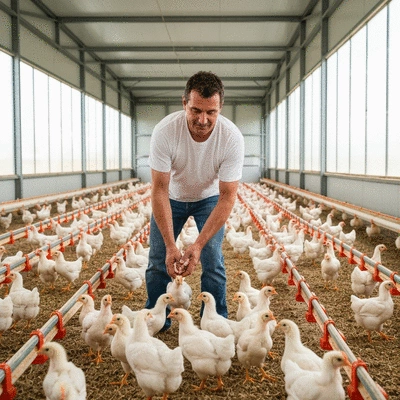
Poultry farmer examining chickens in a clean coop

Importance of Feed Costs in Profitability

Feed costs represent one of the largest expenses in poultry farming, often accounting for up to 70% of your total production costs. Therefore, managing these costs is vital for maintaining profitability. It’s essential to explore various feed options and consider the nutritional needs of your poultry.

  • Utilizing bulk feed purchasing to reduce costs.
  • Exploring alternative feed sources such as insects or by-products.
  • Implementing feed management systems to monitor consumption and optimize rations.

By focusing on feed costs, you can directly influence your overall profitability, making it a priority for any poultry farmer.

Evaluating Profitability Analysis Methods

Finally, evaluating profitability analysis methods is crucial for making informed decisions. Utilizing tools and techniques to analyze your profitability can provide valuable insights into your operations. Regularly reviewing your financial performance helps to identify strengths and weaknesses.

  • Conducting regular break-even analyses to understand your cost structures.
  • Implementing key performance indicators (KPIs) for ongoing performance tracking.
  • Using financial forecasting to anticipate future market conditions.

These methods empower you to navigate the complexities of the poultry market and make strategic adjustments that can boost your profit margins.

Comparative Analysis of Poultry Types for 2025

As we transition to discussing poultry types, it’s important to understand how each type can contribute to profitability in 2025. Each segment of the poultry market presents unique opportunities and challenges, and knowing these can guide your business strategy effectively.

Broilers: Dominating the Market

Broilers are the backbone of the poultry industry, and their market dominance is undeniable. A focus on production costs and efficiency metrics will be essential for anyone involved in broiler farming. Let’s explore what makes broilers such a critical component of poultry profitability.

Production Costs and Revenue Potential

In terms of revenue, broilers offer high potential, but it's essential to keep production costs in check. Understanding the factors that drive costs will help you maximize your profit margins.

  • Investing in efficient housing and equipment.
  • Monitoring feed conversion ratios to enhance growth efficiency.
  • Exploring partnerships with local processors for better pricing.

By focusing on these production costs, you can enhance your financial outcomes in this competitive market.
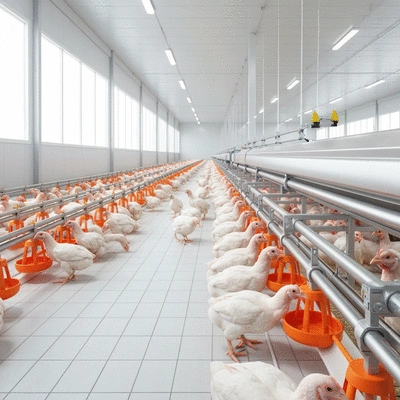
Growth and Feed Efficiency Metrics

Modern poultry farm with automated feeding system

Tracking growth and feed efficiency metrics is vital for broiler operations. Keeping an eye on how quickly your birds reach market weight and how efficiently they convert feed into growth can greatly affect profitability.

  • Setting benchmarks for weight gain at various life stages.
  • Regularly reviewing feed conversion ratios to optimize feed use.
  • Implementing data analytics for performance tracking and improvement.

These metrics offer insights that can help you refine your practices and ensure your operation remains competitive.

Market Competition Among Broilers

Understanding the competitive landscape is crucial for any poultry business. Analyzing your competition helps to identify market gaps and opportunities.

  • Researching competitor pricing strategies.
  • Identifying unique selling propositions (USPs) for your products.
  • Monitoring market trends that impact consumer buying habits.

By keeping an eye on market competition, you can strategically position your broiler operation for success.

Layers: Sustainable Egg Production Insights

Layers are another essential segment in the poultry industry, and they offer insights into sustainable egg production. Understanding your operational costs and revenue streams can guide your decisions in this area.

Operational Costs and Revenue Streams

Managing operational costs effectively is key to successful layer farming. Revenue can be generated not only through egg sales but also through value-added products.

  • Exploring options for selling organic or free-range eggs.
  • Investigating potential partnerships for distribution.
  • Utilizing by-products for additional revenue.

By diversifying your revenue streams, you can enhance your profitability in layer farming.

Market Trends for Egg Consumption

Monitoring market trends is essential for layers, especially as consumer preferences continue to shift. Understanding these trends can help you align your production with market demands.

  • Increased demand for cage-free and organic eggs.
  • Growth in the popularity of specialty egg products.
  • Adapting to seasonal demand fluctuations.

By staying ahead of these trends, you can better position your layer operation for financial success.

Impact of Organic and Antibiotic-free Egg Production

With growing consumer awareness regarding health and sustainability, organic and antibiotic-free egg production is gaining traction. Understanding the implications of these practices is essential for profitability.

  • Investing in certifications that enhance marketability.
  • Evaluating the costs versus benefits of organic feed.
  • Engaging consumers through transparency and education.

These considerations will not only improve your market position but can also lead to a more sustainable operation.

Turkeys: Analyzing Market Position and Demand

Turkeys represent a unique market within poultry farming, particularly during holiday seasons. Understanding profitability trends and seasonal demand is crucial for turkey farmers.

Profitability Trends and Seasonal Demand

Many farmers rely on the holiday season to drive turkey sales, but it’s essential to manage costs throughout the year. Evaluating profitability trends can help you make informed decisions.

  • Creating marketing strategies tailored to seasonal demand.
  • Implementing cost-control measures during off-peak periods.
  • Exploring alternative markets for turkey products beyond the holidays.

By analyzing these trends, you can ensure your turkey farming operation thrives year-round.

Challenges Facing Turkey Farmers

Like any agricultural sector, turkey farming comes with its own set of challenges. Understanding these challenges can help you develop strategies to mitigate risks.

  • Managing disease outbreaks effectively.
  • Addressing fluctuations in feed prices and availability.
  • Competing with larger suppliers in the market.

By preparing for these challenges, you can position your turkey operation for long-term success.

Market Demand for Turkey Products

Market demand for turkey products is closely tied to consumer preferences. Staying informed about these preferences can help you tailor your production strategies.

  • Increasing interest in healthier meat options.
  • Growth in the popularity of turkey-based processed products.
  • Potential for export opportunities in global markets.

Understanding these factors will allow you to maximize the profitability of your turkey farming business.

Ducks and Quail: Niche Market Opportunities

Ducks and quail represent exciting niche market opportunities within poultry farming. Their unique characteristics can offer diversification for farmers looking to expand their operations.

Growth Potential and Consumer Interest

The growth potential in niche markets is significant, especially as consumer interest in diverse poultry products increases. Ducks and quail can be positioned as gourmet options for discerning consumers.

  • Researching consumer preferences for specific breeds or production methods.
  • Developing marketing strategies to reach niche consumers.
  • Exploring community-supported agriculture (CSA) models for direct sales.

By tapping into these unique markets, you can enhance your profitability while catering to consumer demand.

Best Practices for Niche Poultry Farming

Implementing best practices is essential for success in niche poultry farming. Understanding the specific needs of ducks and quail can lead to improved production outcomes.

  • Providing appropriate housing and environment for each species.
  • Focusing on specialty feed formulations for optimal growth.
  • Engaging with local chefs or food artisans to create demand.

By following these best practices, you can ensure your niche operations thrive in a competitive market.

Exploring Geese as a Niche Market Opportunity

Geese also present a unique opportunity within the niche market, particularly during festive seasons. Understanding the specific demand for geese products can enhance your profitability.

  • Assessing market demand for specialty products such as foie gras.
  • Utilizing direct marketing strategies to reach consumers seeking unique options.
  • Collaborating with local restaurants to promote the culinary uses of goose.

By exploring these opportunities, you can further diversify your poultry farming operation and capture new revenue streams. To learn more about specific care requirements, see our guide on poultry housing and care.

Pro Tip

To enhance your poultry farming profitability, consider implementing precision farming techniques. Utilizing data analytics to monitor feed efficiency, growth rates, and operational costs can help you make informed decisions that optimize your resource use and boost your bottom line.

Frequently Asked Questions About Poultry Farming Profitability in 2025

The main factors include market demand and consumer preferences (e.g., organic, antibiotic-free), operational costs (labor, housing, maintenance), feed costs (up to 70% of total costs), and effective profitability analysis methods (KPIs, break-even analysis).

Optimizing feed costs involves strategies such as bulk purchasing, exploring alternative feed sources (like insects or by-products), and implementing feed management systems to monitor consumption and optimize rations.

Broilers typically offer high revenue potential due to their market dominance. Layers provide sustainable income through egg production, especially with diversification into organic or cage-free options. Niche markets like ducks and quail also offer significant growth potential for gourmet products.

Actionable tips include conducting regular market research, networking with other farmers, adopting sustainability practices (e.g., eco-friendly methods, animal welfare), and exploring value-added products like organic eggs or specialty meats.

Sustainability is increasingly important as consumers show a growing interest in health-conscious and eco-friendly products. Embracing organic, antibiotic-free, and cage-free production methods can significantly enhance marketability and align with modern consumer preferences, leading to improved profitability.

Summarizing Key Insights for Poultry Farmers in 2025

As we move into 2025, it's crucial to recap the key profitability factors across various poultry types. Understanding these elements will help you make informed decisions tailored to your specific farming operation. We’ve seen how market demand, operational costs, and consumer preferences play essential roles in shaping profitability. By focusing on these areas, poultry farmers can better navigate the shifting landscape of the industry.

Here’s a quick overview of the most significant profitability factors:

  • Market Demand: Stay attuned to changing consumer preferences to ensure your products align with market needs.
  • Operational Costs: Keep a close eye on production and feed costs to protect your profit margins.
  • Revenue Streams: Diversify your offerings to include value-added products that can boost your income.

Each poultry type presents unique opportunities and challenges, so understanding these dynamics is key to achieving success in 2025. Whether you’re focusing on broilers, layers, or niche markets like ducks and quail, the insights we've highlighted can guide your strategic planning.

Actionable Tips for Farmers to Navigate Market Changes

To effectively navigate the evolving market landscape, here are some actionable tips I recommend for poultry farmers:

  • Conduct Regular Market Research: Stay informed about consumer trends and preferences that affect demand.
  • Network with Other Farmers: Engage with fellow poultry farmers to share knowledge, strategies, and experiences.
  • Consider Sustainability Practices: Adopt eco-friendly practices that resonate with consumers concerned about animal welfare and environmental impact.
  • Explore Value-Added Products: Look into creating products like organic eggs or specialty meats to cater to niche markets.

These tips can help you remain agile in a market that’s constantly changing. Remember, the key to thriving in the poultry industry is not just about the *what* but also the *how*—how you adapt your strategies to meet new challenges and opportunities.

Encouraging Informed Decisions for Future Profits

Resources for Further Learning and Market Research

To support your growth as a poultry farmer, I encourage you to explore various resources available for further learning and market research. Here are a few valuable options to consider:

  • Industry Newsletters: Subscribe to reputable industry newsletters to stay updated on trends and insights.
  • Online Courses: Enroll in courses focused on poultry farming to enhance your skills and knowledge.
  • Networking Groups: Join local or online farming groups to share experiences and learn from peers.

Utilizing these resources can provide you with the knowledge and tools necessary to make informed decisions that will benefit your poultry operation in the long run.

Join the Conversation: Share Your Experiences and Insights

I invite you to join the conversation and share your experiences in poultry farming! At Poultry Farming Insights, we believe that collaboration is key to success in this industry. Whether you have tips, challenges, or success stories, your insights can inspire and educate others in our community.

Engaging with fellow farmers not only fosters a supportive network but also helps us all navigate the complexities of poultry farming together. Let’s empower each other to reach new heights in 2025! For additional resources on managing common issues, check out our article on common poultry farming diseases.

Recap of Key Points

Here is a quick recap of the important points discussed in the article:

  • Market Demand: Stay attuned to changing consumer preferences to ensure your products align with market needs.
  • Operational Costs: Keep a close eye on production and feed costs to protect your profit margins.
  • Revenue Streams: Diversify your offerings to include value-added products that can boost your income.
  • Regular Market Research: Conduct ongoing research to stay informed about trends affecting demand.
  • Networking: Engage with fellow farmers to share strategies and insights.
  • Sustainability Practices: Consider eco-friendly methods to appeal to conscious consumers.

Subscribe & Share
Tech Innovations in Poultry Farming Emerging Technologies Impacting Poultry Farming Profitability Are you ready to revolutionize your poultry farming operations? Embracing emerging technologies can
Raising Poultry: Common Challenges Explained Common Challenges and Pitfalls in Raising Different Poultry Types: What New Farmers Should Know As you embark on your poultry farming journey, consider the myriad challenges that await. With the r
Impact of Housing on Poultry Why Poor Housing Conditions Undermine Poultry Farm Success and What to Do Did you know that proper housing conditions can directly influence poultry productivity and your bot
Banner
Poultry Farming Insights

Your go-to resource for unlocking the vast business potential of poultry farming. We help farmers and aspiring entrepreneurs with strategic market insights and practical guidance.

Trusted by a growing community of avian enthusiasts, our mission is to provide reliable, easy-to-follow insights backed by over a decade of industry expertise.

Explore Opportunities
Recent Posts
Emerging Technologies Impacting Poultry Farming Profitability Tech Innovations in Poultry Farming

Are you ready to revolutionize your poultry farmin

Common Challenges and Pitfalls in Raising Different Poultry Types: What New Farmers Should Know Raising Poultry: Common Challenges Explained

As you embark on your poultry farming journey, con

Why Poor Housing Conditions Undermine Poultry Farm Success and What to Do Impact of Housing on Poultry

Did you know that proper housing conditions can di

Poultry Farming Insights: Quick Tips