Market Size & Growth
Key projections for the overall US poultry market.
$53 Billion
Projected by 2025
3.5% CAGR
(2022-2025)
Get Jordan T. Finch's expert insights on market trends and strategic opportunities in poultry farming directly to your inbox.
Posted on: 2025-09-16
By: Jordan T. Finch
The poultry industry is not just a market; it’s a thriving landscape rich with opportunities waiting to be exploited. With projections showing a significant growth trajectory up to 2025, the question is: how will you position yourself to capitalize on these trends?
The visual below illustrates the projected growth and segment dominance within the US poultry market by 2025, highlighting key drivers and investment opportunities. For a deeper dive into market dynamics, consider exploring maximizing poultry farm profits.
Key projections for the overall US poultry market.
$53 Billion
Projected by 2025
3.5% CAGR
(2022-2025)
Broiler production leads the market.
75%
Of US Poultry Production
Factors fueling market expansion.
Strategic areas for stakeholders.
The US poultry market is a dynamic and evolving sector, showing promising growth trends leading up to 2025. Based on recent market analysis, the overall size of this market is projected to reach approximately $53 billion, with a compound annual growth rate (CAGR) of about 3.5%. This growth is largely driven by increasing consumer demand for poultry products, which are favored for their nutritional benefits and affordability.
As we look ahead, it's essential for Poultry Farming Insights readers to grasp these figures as they formulate their own business strategies. With revenue forecasts indicating a robust expansion, this is the perfect time for farmers and entrepreneurs to capitalize on emerging opportunities in the poultry industry!
Understanding these statistics is crucial for anyone involved in poultry farming. They highlight the ongoing potential for growth and the importance of aligning production and marketing strategies to meet consumer preferences. Learn more about automated poultry feeding systems to enhance efficiency.
Within the poultry market, several segments stand out, including broilers, eggs, and turkey production. Broilers, in particular, dominate the market, accounting for about 75% of poultry production in the US. This segment benefits from efficient production methods and strong demand in both domestic and international markets.
As you can see, each segment presents unique challenges and opportunities. For example, the growing trend towards cage-free eggs reflects shifting consumer preferences, which savvy farmers can leverage to enhance their market presence.
The growth of the poultry market isn't just a matter of consumer interest; it’s influenced by several key factors. First and foremost is the rise in consumer demand for healthy protein sources, especially as diets shift towards more lean meats. Additionally, technological advancements in breeding and production practices are making poultry farming more efficient than ever.
Moreover, as I’ve observed in my own experience, establishing strong agribusiness strategies can significantly impact productivity and market reach. Farmers should continually evaluate their approaches to stay ahead in this competitive landscape.
The economic factors influencing poultry production extend beyond mere consumer demand. Trade regulations and tariffs play a critical role in shaping the overall market dynamics. It's vital for poultry producers to stay informed about these changes to navigate the complex landscape effectively.
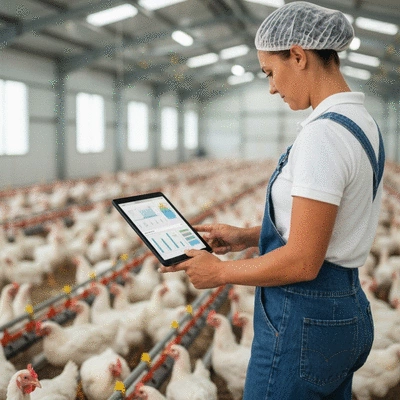
As you explore investment opportunities in the poultry sector, consider integrating innovative technology into your operations. Investing in automation and data analytics not only boosts production efficiency but also provides you with valuable insights that can enhance decision-making and market responsiveness.
As we dive into the future of the US poultry market, it’s crucial to grasp the key insights drawn from the 2025 forecasts. The landscape shows promising opportunities alongside notable challenges that farmers and entrepreneurs will face. With a growing demand for poultry products and evolving consumer preferences, the market dynamics are shifting. This creates a unique environment for strategic positioning and growth.
The trends indicate that while the poultry market is thriving, factors such as technological advancements and sustainability will play significant roles in shaping business practices. As an entrepreneur in the poultry sector, I find it exciting to consider how these elements will influence our strategies moving forward. For more information on sustainable practices, check out sustainable poultry farming practices.
With the poultry market poised for expansion, there are several investment avenues that stakeholders should consider. Identifying the right opportunities can help ensure robust returns and foster long-term success. Here are some promising areas to explore:
Each of these investment options presents a chance to not only boost profitability but also align with the evolving expectations of consumers and regulatory bodies. As I navigate these opportunities, I encourage fellow farmers to embrace innovation and think creatively about how they can capitalize on market trends.
The poultry community thrives on shared experiences and insights. I invite you to join the conversation! Your thoughts and perspectives are invaluable, whether you're a seasoned farmer or an aspiring entrepreneur. How have you navigated the challenges of this industry? What insights can you share about your journey?
Let’s foster a supportive environment where we can learn from one another. Please feel free to comment below and share your experiences related to the poultry market. Together, we can create a thriving community centered around poultry farming.
The US poultry market is projected to reach approximately $53 billion by 2025.
The estimated CAGR for the US poultry market from 2022 to 2025 is 3.5%.
Broilers dominate the market, accounting for about 75% of US poultry production.
Key growth drivers include increased consumer demand for lean proteins, technological advancements in breeding, and effective agribusiness strategies.
Investment opportunities include innovative technology (automation, data analytics), sustainability initiatives, value-added products (organic, specialty), and exploring export markets.
As we wrap up this exploration of future expectations in the poultry market, it’s time to take actionable steps. With the insights gained from recent trends and forecasts, I encourage farmers and entrepreneurs to integrate these findings into their business strategies. Identifying the right approaches now can significantly enhance your market position and operational efficiency.
Consider developing a plan that incorporates these insights, focusing on innovation, sustainability, and community engagement. The future of poultry farming looks promising, and by applying these strategies, you can ensure your place in this evolving landscape. Let's seize these opportunities together! For practical tips on starting your own venture, read our guide on starting a poultry farm.
Here is a quick recap of the important points discussed in the article: