Understanding
Profit Margins Explained
Difference between revenue & expenses, indicating profitability. Key types:
- Gross: Revenue - COGS
- Net: All expenses included
- Operating: Before tax & interest
Financial Health Indicator
Get Jordan T. Finch's expert insights on market trends and strategic opportunities in poultry farming directly to your inbox.
Posted on: 2025-09-10
By: Jordan T. Finch
What if the key to thriving in poultry farming lies in understanding your profit margins? With the right insights, you can elevate your business and navigate market challenges effectively.
An overview of key factors influencing profit margins across different poultry types and strategies for improvement. For a deeper dive into specific strategies, consider exploring profitable poultry farming techniques to optimize your operations.
Difference between revenue & expenses, indicating profitability. Key types:
Distinct characteristics influence profitability:
Key strategies for boosting profitability:
Poultry industry's role and influential factors:
When diving into the world of poultry farming, understanding profit margins is crucial. Profit margins represent the difference between your revenues and expenses, expressing the overall profitability of your business. This understanding helps you gauge financial performance and informs key decisions about your poultry enterprise. Whether you’re considering chickens, turkeys, or even ostriches, recognizing how each type impacts your profit can set you on the path to success!
Many new farmers often overlook the importance of this metric. Have you thought about how it applies to your poultry business? By analyzing profit margins, you can better align your operational strategies with market demand and financial goals.
In poultry farming, profit margins are typically measured as a percentage, reflecting the profitability of your operations relative to sales. This includes direct costs associated with raising birds, like feed, housing, and labor. Understanding these margins can help you evaluate whether your business model is sustainable in the long run.
These different margins give you a layered understanding of your poultry business's financial health. This information can guide you in making adjustments to improve profitability.
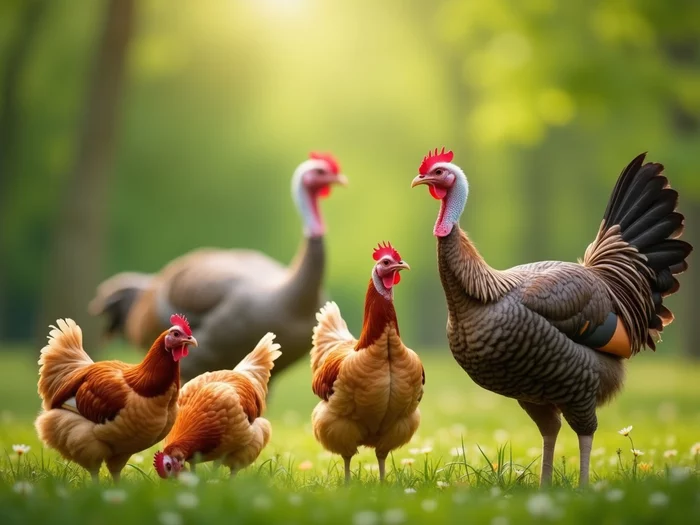
Each type of poultry has distinct characteristics that can influence profit margins. For example, chickens are typically favored for their rapid growth and high demand, leading to potentially higher profit margins. On the other hand, turkeys may offer lucrative seasonal opportunities, particularly around holidays. Ostriches, while less common, can fetch higher prices per unit, but they also involve unique challenges and costs.
By comparing these factors, you can make informed decisions on what type of poultry aligns with your financial objectives and market conditions. For detailed guidance on raising different types of poultry, refer to our comprehensive guide on raising poultry for meat and eggs.
The poultry industry is a significant player in the agricultural sector, contributing to food supply and job creation. In the United States alone, it generates billions in revenue each year, impacting local economies and global markets alike. As a poultry farmer, understanding the broader trends in this industry can help you anticipate changes that may affect your profitability.
Market demand for poultry products continues to rise, driven by increasing consumer preferences for protein. However, it's essential to stay updated on factors like feed prices, regulatory changes, and consumer trends, which can all affect profit margins in your poultry operation.
We want to hear from you! What type of poultry are you most interested in farming? Your feedback helps us tailor our content to better serve your needs.
As a poultry farmer, I've learned that enhancing profit margins involves more than just managing expenses. It’s about implementing effective strategies that not only boost productivity but also ensure long-term sustainability. Let's dive into some key strategies that can help improve your profitability in poultry farming!
In this section, I’ll share insights into farm management practices, production strategies, sustainable farming, and the value of agricultural research. Each of these elements plays a vital role in maximizing your profits while also promoting a healthy and efficient farming environment.
Effective farm management is crucial for improving profit margins. Here are some essential practices that I recommend:
By adopting these management practices, you're not just focusing on the day-to-day tasks but also preparing your poultry farm for future growth and stability.
Diversifying your poultry production can significantly impact your profit margins. By offering a range of products, you can tap into various markets and reduce risks. Here’s how to approach diversification:
These strategies not only help stabilize your income but also prepare your farm to withstand market fluctuations. For further reading on this topic, check out strategies for improving poultry farm efficiency.
Sustainability is becoming increasingly important in the poultry industry. By implementing sustainable practices, you can enhance your reputation and appeal to eco-conscious consumers. Consider these approaches:
Transitioning to sustainable practices may require investment initially, but the long-term benefits far outweigh the costs!
Keeping abreast of the latest agricultural research can provide valuable insights into improving your poultry farming operations. Here are some ways to integrate research into your business:
By leveraging agricultural research, you can make smarter decisions and stay ahead of the curve in the poultry industry.
The three main types are Gross Profit Margin (revenue minus cost of goods sold), Net Profit Margin (all expenses included), and Operating Profit Margin (earnings before tax and interest).
Chickens offer fast turnover and high demand, turkeys provide seasonal opportunities with longer growth periods, and ostriches, though requiring higher initial investment, can yield high market prices due to their specialty status.
Key practices include detailed record keeping, regular cost analysis, investing in staff training and development, and adopting technology for efficient flock monitoring and management.
Diversification, through expanding product range (e.g., beyond chickens to turkeys or quail), creating value-added products (e.g., organic eggs), and aligning production with seasonal market demands, helps stabilize income and mitigate risks from market fluctuations.
Sustainable practices such as effective waste management, optimizing resource efficiency (water and feed), and prioritizing animal welfare not only reduce costs and environmental impact but also attract eco-conscious consumers, enhancing reputation and market appeal.
Here is a quick recap of the important points discussed in the article: